Where Optimism Grant Funding Goes
The Optimism Collective operates on a unique model where capital allocation is as much a governance exercise as it is a financial one. To understand the health of the ecosystem, we need to look past the hype and track the actual flow of capital through recent grant cycles, specifically Season 6 (S6) and Season 7 (S7).
Season 6: The Growth Push
Season 6 marked a significant shift toward structured growth grants. The focus was less on experimental prototyping and more on scaling existing infrastructure. Recipients were required to provide detailed transaction data and address tracking, ensuring that the Foundation could measure the direct impact of funding on network activity. This data-driven approach allowed the Grants Council to evaluate whether capital was actually driving user adoption or merely subsidizing idle development.
Season 7: Measuring Real ROI
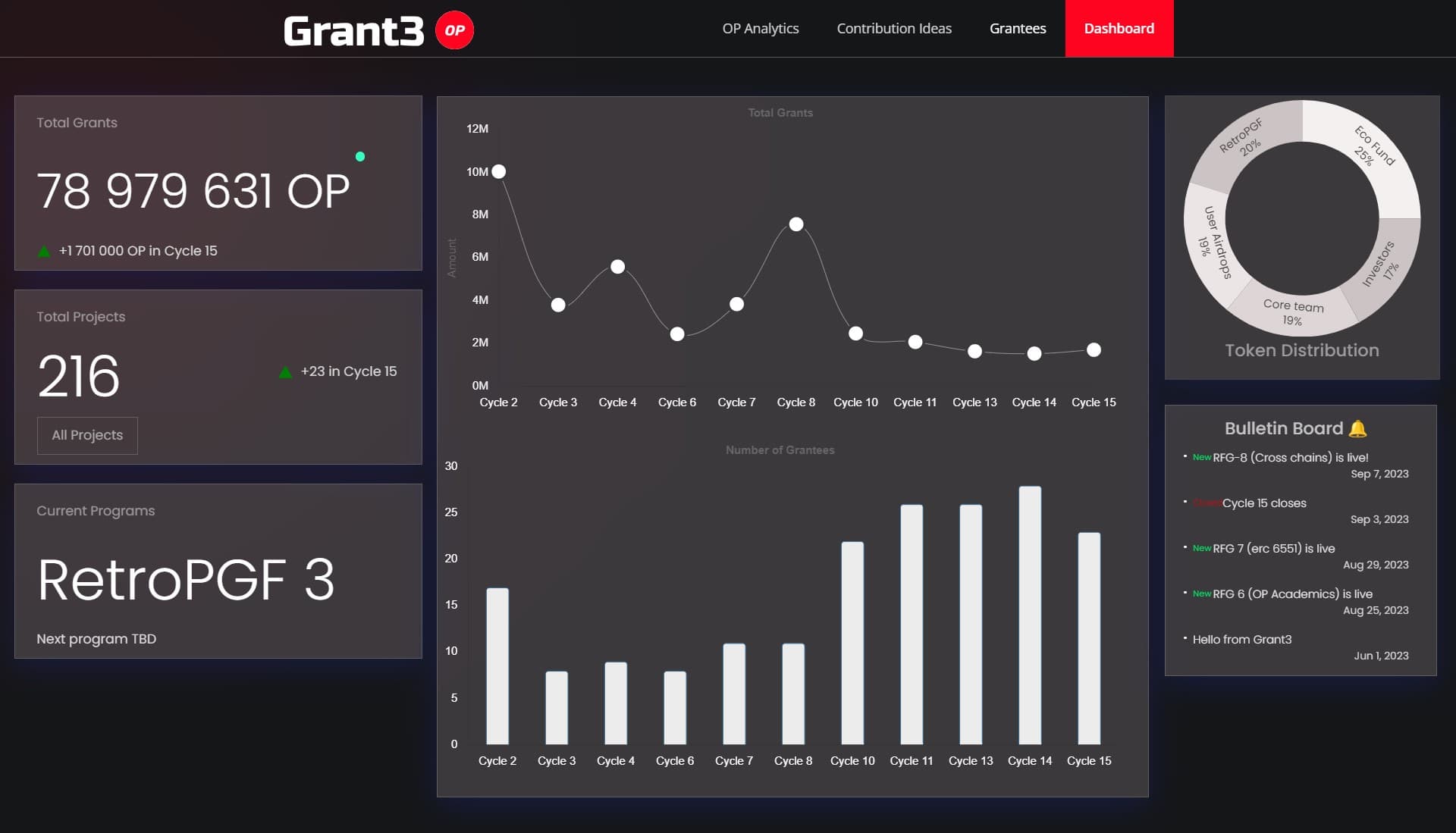
By Season 7, the emphasis had shifted toward quantifiable return on investment (ROI). The Grants Council began measuring success not just by the number of projects funded, but by net Superchain TVL inflows. This analysis, conducted between March 20 and June, provided a clearer picture of which sectors were genuinely attracting capital from outside the ecosystem. The goal was to identify which grant categories were creating sustainable economic flywheels rather than temporary spikes in activity.
Primary Funding Categories
Across both seasons, capital has concentrated in a few key areas:
- DeFi Infrastructure: Lending protocols, decentralized exchanges, and liquidity aggregators consistently receive the largest share of grants. This makes sense, as DeFi is the primary use case for Optimism’s low fees.
- Developer Tools: Wallets, analytics dashboards, and bridging solutions are heavily funded to reduce friction for new users entering the ecosystem.
- NFT and Gaming: While smaller in total volume than DeFi, these categories receive targeted grants to build out the consumer-facing side of the network.
Understanding these trends helps investors and builders identify where the ecosystem is heading. If funding is moving toward infrastructure, expect more stability. If it shifts toward consumer apps, expect higher volatility but potentially faster growth.
Key DeFi protocols receiving funding
The Optimism Foundation uses grants to seed liquidity and infrastructure rather than just rewarding past performance. This section highlights specific DeFi protocols that have secured significant funding, illustrating the types of applications the ecosystem prioritizes. We are looking at who is building and where the capital is flowing.
| Protocol | Category | Grant Size (OP) | Primary Focus |
|---|---|---|---|
| Mode | DeFi Layer 2 | 2,000,000 | User growth incentives |
| Aave | Lending | Various | Protocol expansion |
| Uniswap | DEX | Various | Liquidity depth |
| Synthetix | Derivatives | Various | Asset issuance |
The most notable recent allocation went to Mode, a modular DeFi Layer 2 network. Mode secured an grant of up to 2 million OP tokens, valued at approximately $5.3 million, specifically to support user growth incentives. This signals a clear preference for projects that can bring active users and transaction volume to the Optimism chain, rather than just passive liquidity.
Other major players like Aave, Uniswap, and Synthetix have also received funding, though often in smaller, recurring tranches tied to specific development milestones. These grants are less about a single large injection and more about sustaining long-term development and integration. The focus here is on expanding the depth and variety of financial products available on the network.
This funding strategy creates a tiered ecosystem. The large grants to new Layer 2s like Mode aim to create new hubs of activity, while the steady support for established protocols like Aave ensures the core infrastructure remains robust. Understanding this split helps explain where the next wave of DeFi innovation on Optimism is likely to emerge.
Measuring Grant Impact on TVL
Evaluating the true return on investment for Optimism’s grants requires looking beyond simple vanity metrics. The most rigorous assessment comes from the S7 Grants Council’s impact analysis, which measures OP-normalized ROI by tracking net Superchain TVL inflows over specific periods, such as the window between March 20 and June.
This approach treats grant funding as a direct catalyst for ecosystem expansion. By correlating capital deployment with subsequent TVL growth, the analysis isolates the financial impact of public goods funding from broader market movements. The data suggests a tangible link between strategic grant allocations and the net inflow of value to the Superchain.
To contextualize these findings, it is essential to view grant announcements alongside price action. The chart below illustrates OP/USDT trading activity, allowing you to see how market sentiment and grant releases interact over time.
Understanding this correlation helps distinguish between organic ecosystem growth and capital driven by specific grant initiatives. The focus remains on net inflows, ensuring that the measured impact reflects genuine value accumulation rather than speculative volatility.
For a broader perspective, Optimism’s funding model continues to evolve, with the OP token serving as the primary instrument for grants, ecosystem incentives, and public goods funding. This structure aims to sustain long-term growth by aligning developer incentives with network value.
Aligning Your Project with Optimism's Strategic Goals
Getting an Optimism OP Grant is less about having a good idea and more about proving your project fits the Superchain's specific growth strategy. The grants program is not a general venture fund; it is a strategic instrument designed to fix ecosystem gaps, improve user experience, and drive capital efficiency. If your proposal reads like a generic DeFi fork or a project that doesn't leverage the unique benefits of the OP Stack, it will likely be rejected regardless of your team's pedigree.
To increase your eligibility, you need to demonstrate how your build addresses the current priorities of the Optimism Collective. The funding pipeline is heavily skewed toward projects that enhance the "Superchain" narrative—this means interoperability, shared security, and seamless user abstraction across L2s. Builders who treat Optimism as just another cheap Ethereum chain miss the point. The goal is to create a unified experience where users don't notice they are on an L2.
The technical and strategic alignment can be broken down into three actionable steps. Follow this framework to structure your Season 9 application for maximum impact.
Before writing a single line of code or proposal, audit the current landscape. Look for high-friction areas where users abandon protocols due to poor onboarding, complex bridging, or lack of liquidity. The grants program prioritizes projects that solve these specific pain points. If you are building a lending protocol, ask yourself: does this improve capital efficiency for existing users, or does it just add another token to the mix? Focus on infrastructure, user acquisition, or novel DeFi primitives that are currently missing from the chain.
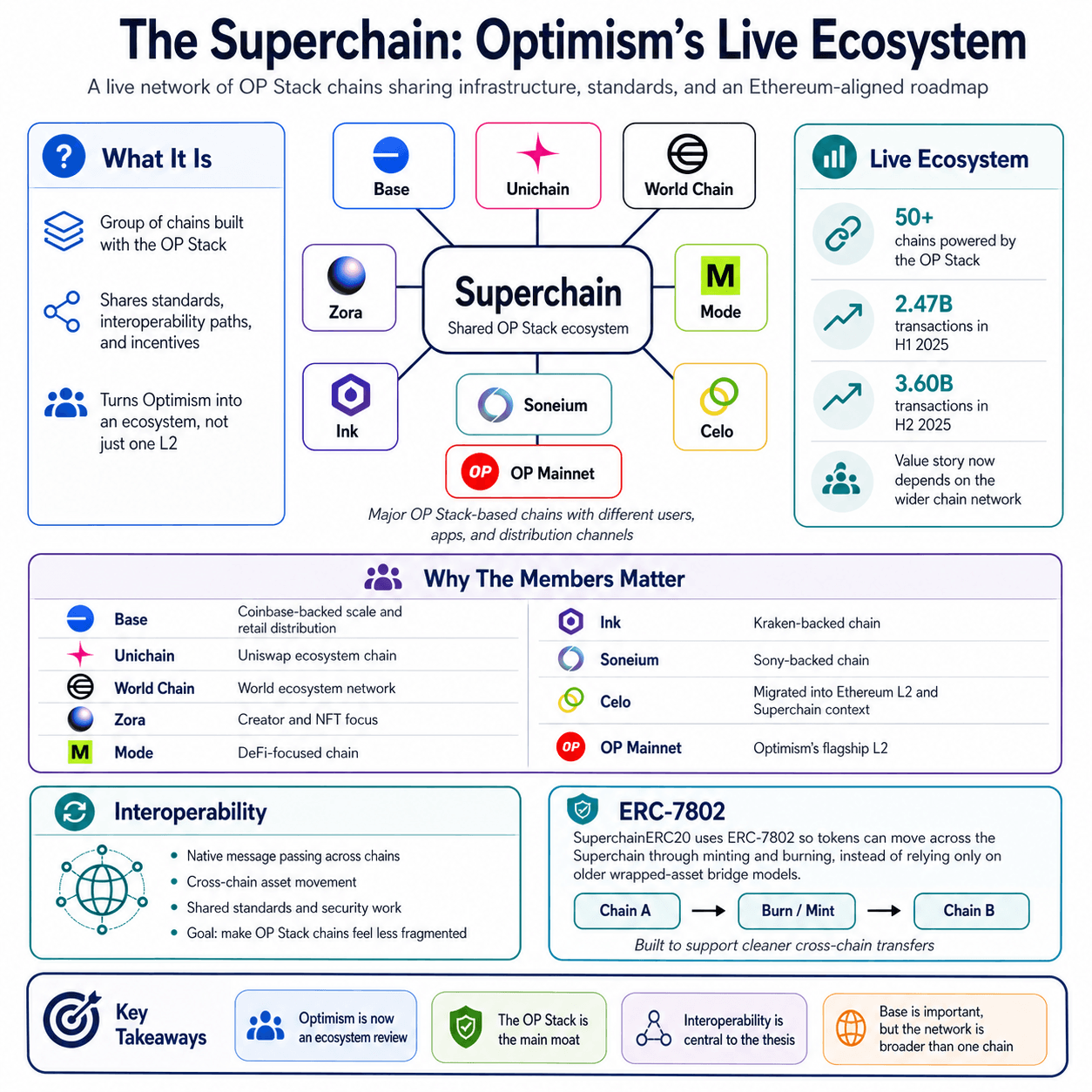
Your technical stack must explicitly support the Superchain vision. This means utilizing the OP Stack for potential interoperability and ensuring your smart contracts are optimized for the specific gas and execution environment of Optimism. Don't just port code from Ethereum Mainnet or other L2s. The grants reviewers want to see that you have engineered your solution to take advantage of Optimism's specific features, such as its account abstraction capabilities or its integration with the broader Superchain ecosystem. Show us how your project makes the Superchain stronger, not just how it runs on it.
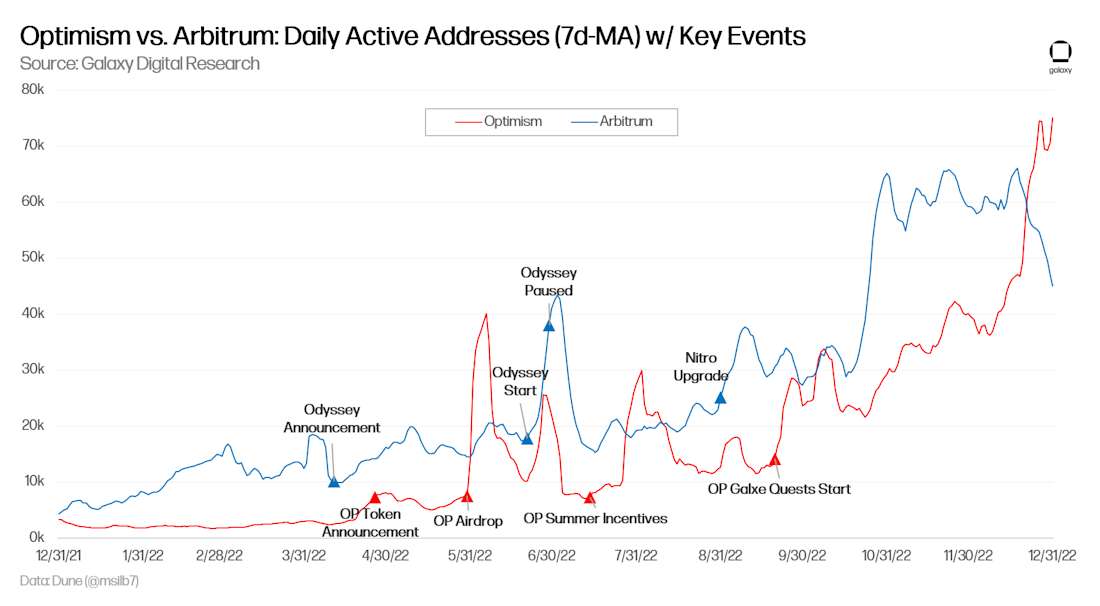
Finally, your proposal must include concrete metrics. Vague promises of "growth" are insufficient. You need to outline clear KPIs: projected daily active users (DAU), total value locked (TVL) inflows, or specific efficiency gains for existing protocols. The Optimism Grants team wants to see a direct line between your grant funding and measurable ecosystem health. Include a realistic timeline for milestones and explain how the grant money will be used to hit those targets. If you can't measure the impact, you can't justify the allocation.
Common questions about OP grants
Optimism’s funding model often sparks debate about token utility and ecosystem direction. Below are direct answers to the most frequent questions regarding how OP grants operate, the token’s role, and how the network compares to competitors.
No comments yet. Be the first to share your thoughts!