Track grant recipients and TVL inflows
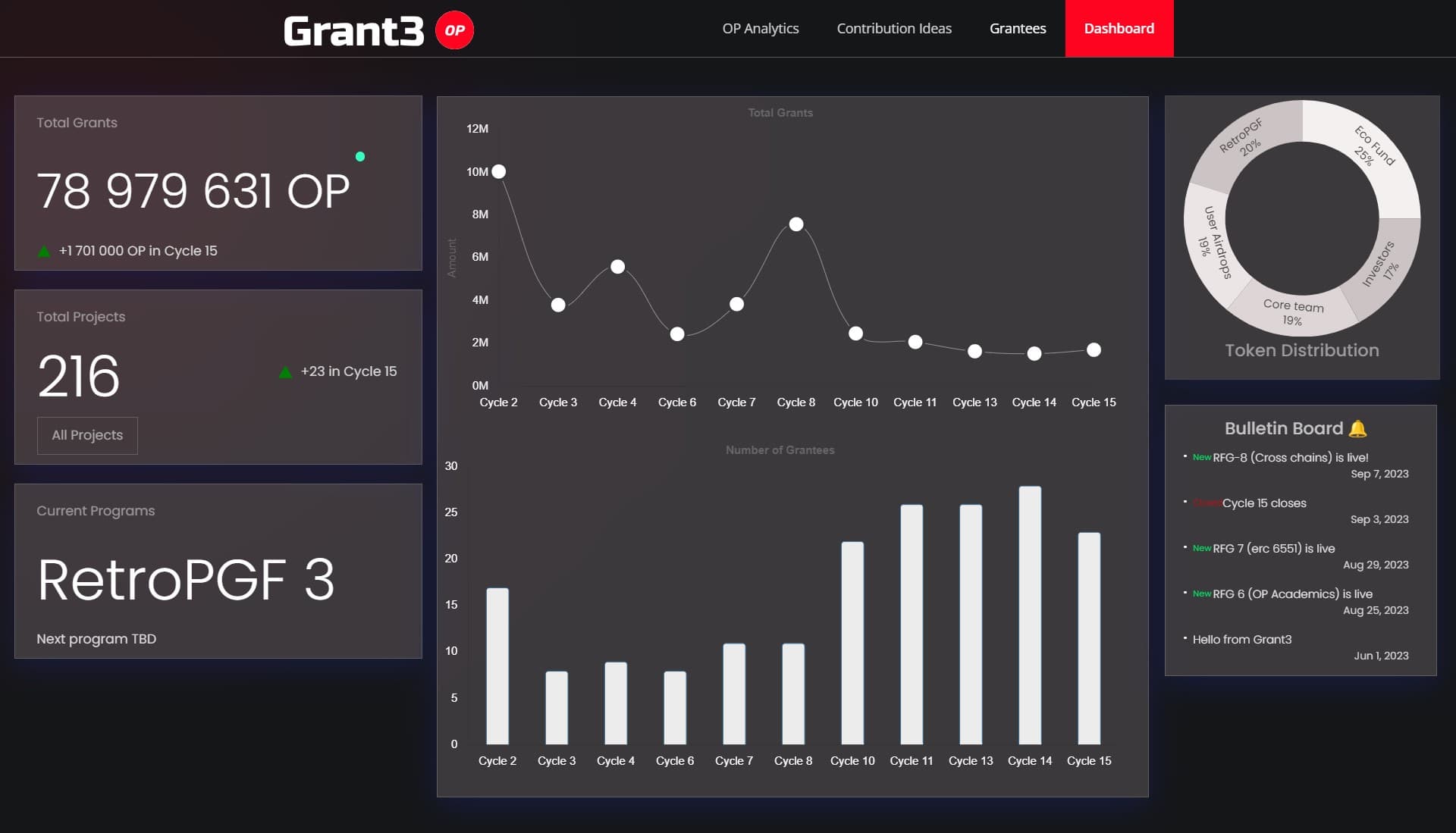
Identifying which grant recipients are actually moving the needle requires looking past the announcement and into the on-chain data. The goal is to correlate specific grant awards with measurable Total Value Locked (TVL) growth, ensuring that capital is flowing into protocols that contribute to the Optimism Collective’s long-term health.
Begin by accessing the official ecosystem contributions repository on GitHub. This is the primary source for verified recipient addresses and grant amounts. Look for issues labeled with the specific season (e.g., S6 or S7) to ensure you are analyzing the correct cohort of projects. Cross-reference these addresses with the Optimism Governance Forum for any additional context or community feedback on the recipients.
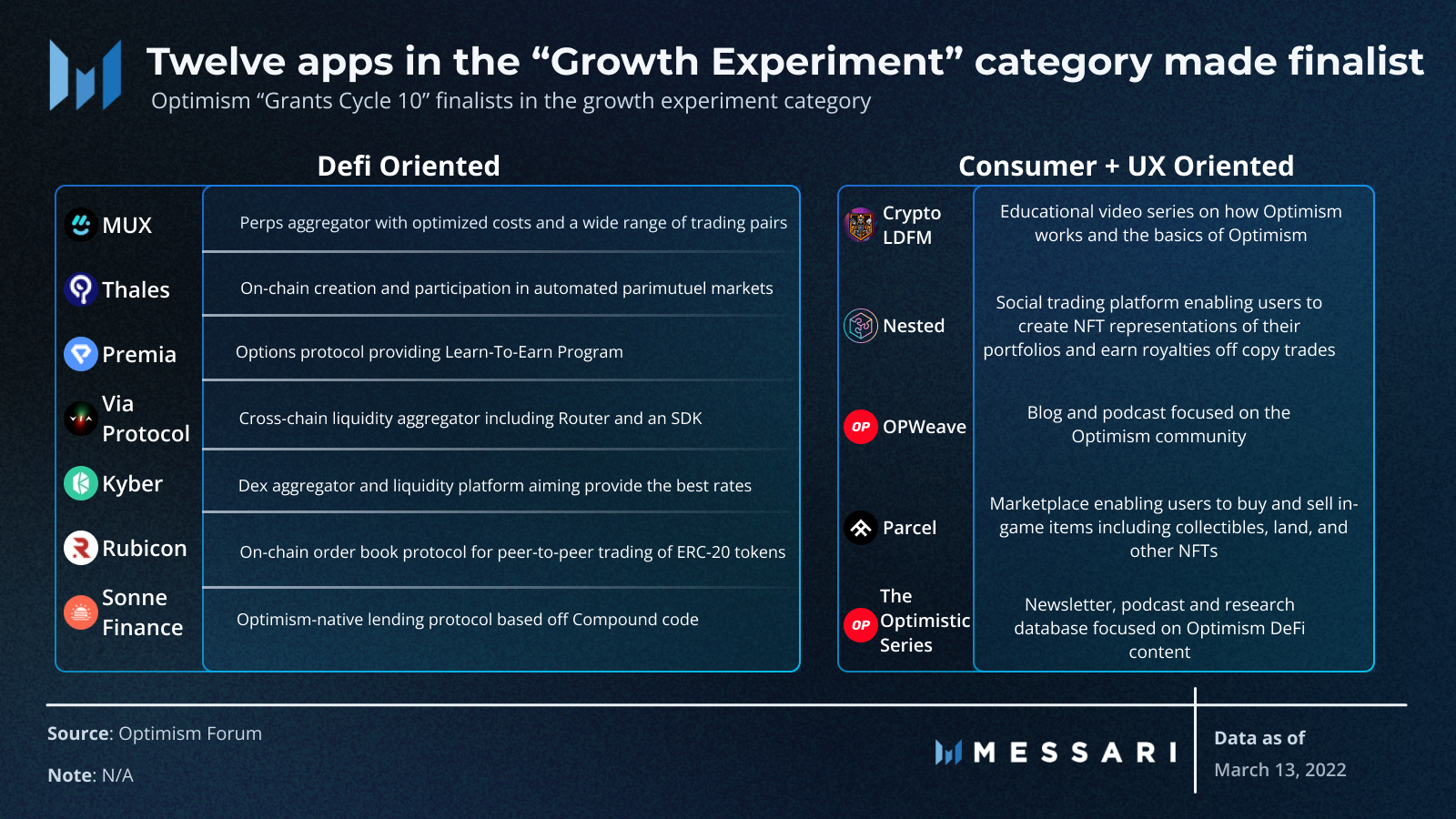
Once you have identified the grant recipients, extract their on-chain wallet addresses. These addresses are the key identifiers you will use to track activity. It is critical to use the exact addresses listed in the official grant documentation to avoid tracking unrelated wallets or forked contracts that do not reflect the grant’s intended impact.
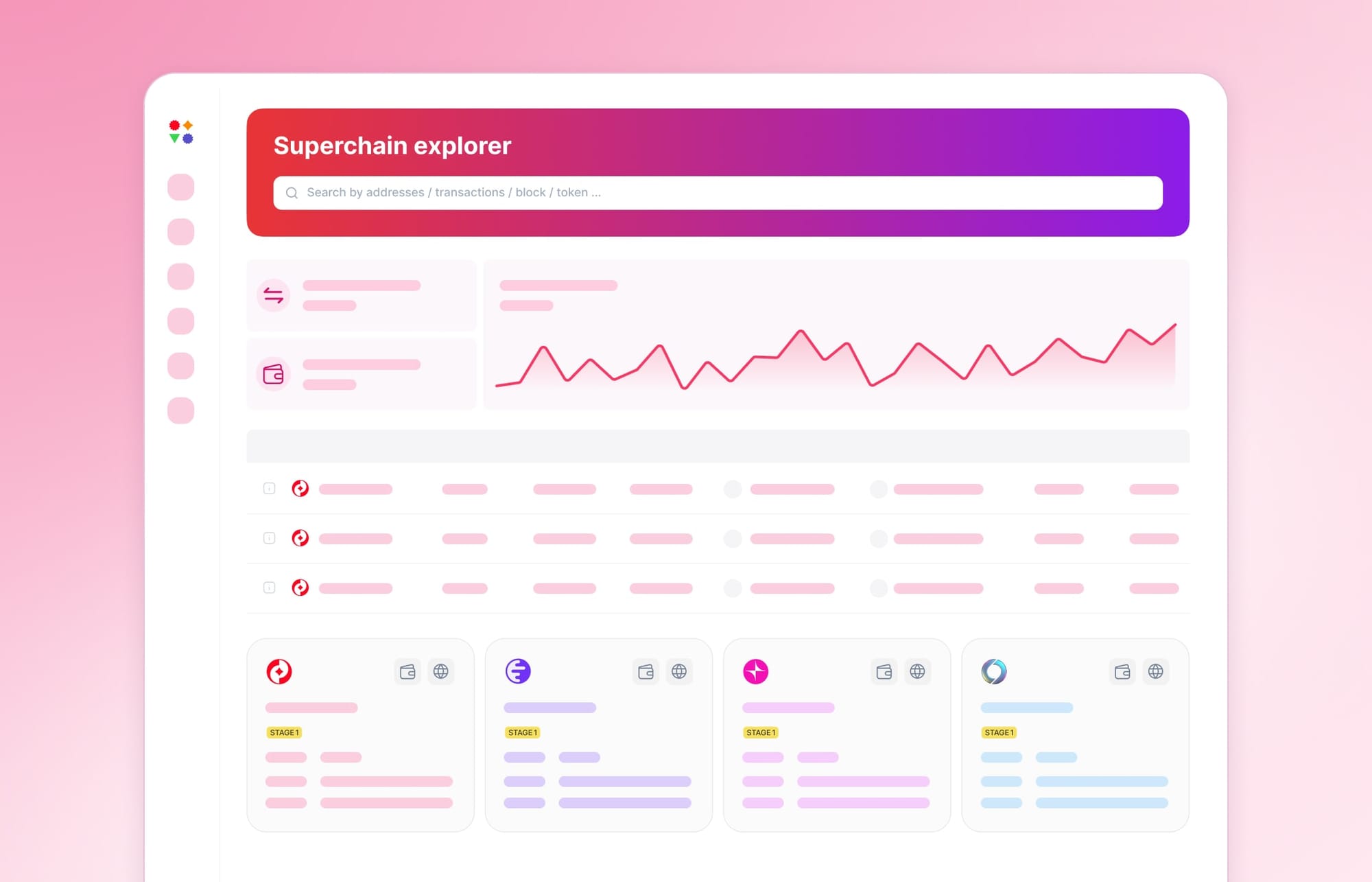
Use block explorers and DeFi analytics dashboards to monitor the Total Value Locked (TVL) associated with these recipient addresses. Look for inflows that occur shortly after grant announcements or milestones. Pay attention to the net change in TVL, as this is a more accurate indicator of growth than gross inflows, which may include temporary liquidity.
To understand the true impact, calculate the Return on Investment (ROI) by comparing the grant amount to the net TVL increase. This metric helps you determine which grants are generating the most value for the ecosystem. A high ROI suggests that the grant successfully catalyzed user adoption or protocol development, while a low ROI may indicate inefficiencies or misaligned incentives.
By following this process, you can move beyond speculation and use hard data to evaluate the effectiveness of the Optimism OP Grants program. This approach allows you to identify the most impactful projects and understand how grant capital is being utilized to strengthen the DeFi ecosystem.
Evaluate infrastructure tools and grants
Funding an infrastructure project on Optimism is not just about the code; it is about the safety of the capital flowing through it. When assessing infrastructure grants, you must look past the pitch deck and verify the technical utility and audit status. An unaudited protocol is a liability, not an asset.
Use the following comparison to gauge the maturity of key infrastructure projects funded by Optimism grants. This table highlights the distinction between core protocol layers and application-specific tools.
| Project | Category | Audit Status | Core Utility |
|---|---|---|---|
| Superchain Registry | Core Infrastructure | Audited | Standardizes OP Stack chains |
| OVM Bridge | L2 Security | Audited | Secure asset bridging |
| Uniswap V3 on OP | DeFi Application | Audited | Automated market making |
| Aave on OP | Lending Protocol | Audited | Decentralized lending |
Verify Audit Credentials
Do not rely on self-reported security. Every infrastructure project you consider should have undergone a formal audit by a reputable firm. Look for audit reports published on the project’s official documentation or GitHub repository. The audit should cover the specific smart contracts deployed on the Optimism mainnet. If an audit is missing or outdated, treat the project as high-risk.
Assess Technical Utility
Infrastructure must solve a specific problem efficiently. Ask whether the project reduces gas costs, improves transaction finality, or enhances data availability. If the utility can be replicated by existing L2 solutions without significant advantage, the grant funding may not justify the integration effort. Focus on projects that strengthen the Superchain’s interoperability or security model.

As an Amazon Associate, we may earn from qualifying purchases.
Check Governance Participation
Infrastructure projects often rely on community governance for upgrades. Review the project’s governance forums to see if grant recipients are actively participating in proposal discussions. Active governance ensures that the project remains aligned with the Optimism ecosystem’s long-term goals. Passive projects may become obsolete as the Superchain evolves.
Analyze market research and token metrics
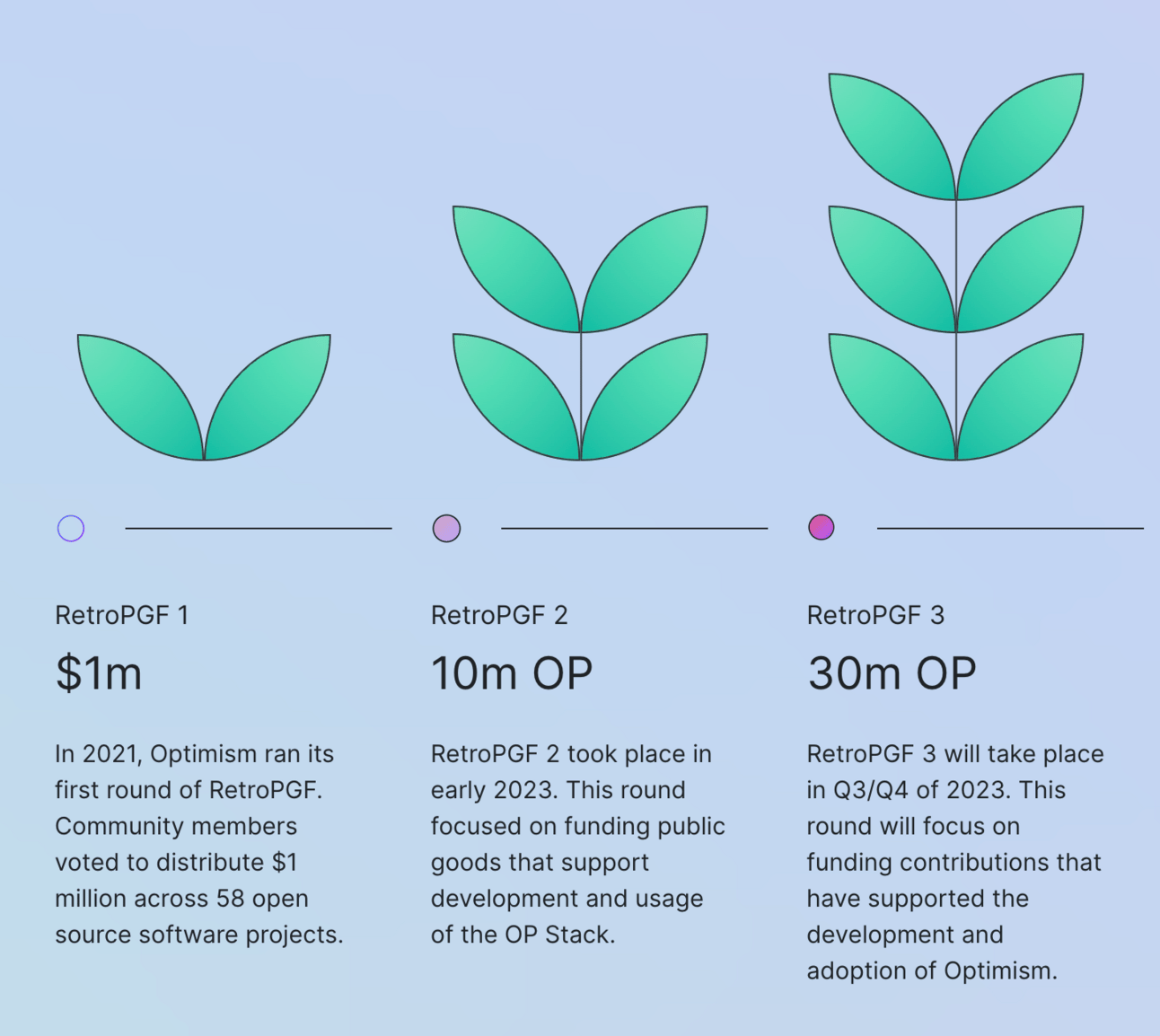
Grants are not just marketing; they are liquidity injections that reshape a project's supply dynamics. When the Optimism Foundation allocates OP tokens, it is effectively subsidizing user acquisition and protocol development. To assess the true market impact, you must look past the headline dollar value and examine the underlying mechanics of token distribution.
Start by identifying the grant's primary objective. Is the funding directed toward infrastructure, such as the recent $5.3 million allocation to Mode for user growth incentives, or is it aimed at public goods? Infrastructure grants typically drive short-term volume spikes, while public goods funding supports long-term ecosystem health but may have less immediate price impact. Understanding this distinction helps you predict whether the grant will cause temporary volatility or sustained growth.
Next, scrutinize the vesting schedule and release conditions. Grants are rarely distributed as a lump sum. They are usually tied to specific milestones, such as Total Value Locked (TVL) targets or active user counts. If a project receives 2 million OP tokens, check how much is unlocked immediately versus how much is locked for future performance. A large immediate unlock can create sell pressure, while a milestone-based structure aligns the grantee's incentives with the network's success.
Finally, monitor the token's price action relative to the grant announcement. A healthy market response often shows a dip followed by a steady recovery as the funds are deployed. If the price continues to fall despite the grant, it may indicate that the market views the allocation as insufficient or poorly structured. Use this data to refine your analysis of future grants and their potential impact on the OP token.
Avoid common grant analysis mistakes
Evaluating the Optimism OP Grants ecosystem requires more than just looking at the headline numbers. It is easy to mistake short-term market noise for genuine protocol health. If you rely on surface-level metrics, you risk misjudging the actual impact of the grants program.
The most frequent error is ignoring lagging indicators in favor of real-time hype. TVL (Total Value Locked) is a lagging indicator; it reflects past decisions, not future sustainability. A sudden spike in TVL might look impressive, but it often signals a temporary incentive war rather than organic growth. Without tracking net inflows over a longer horizon, you cannot distinguish between a grant-driven boom and a fleeting bubble.
Another pitfall is misinterpreting the data source itself. The Grants Council’s S7 Impact Analysis uses OP-normalized ROI measured against net Superchain TVL inflows. This specific methodology accounts for broader ecosystem movements, isolating the grant's true contribution. If you compare raw TVL against general market trends without this normalization, your conclusions will be skewed.
To avoid these traps, focus on the net change in value rather than the gross total. Look for sustained inflows that correlate with grant deployment cycles. This approach filters out the noise and reveals whether the grants are truly strengthening the Optimism ecosystem or just moving money around temporarily.
Checklist for ecosystem due diligence
Before committing capital or resources to the Optimism OP Grants DeFi ecosystem, run this final verification. This checklist ensures you are looking at the raw data rather than just the marketing narrative.

-
Verify Recipient Addresses: Cross-reference the grant recipients listed on Karma or OPGrants with on-chain activity. Look for actual transaction volume, not just token holdings.
-
Check TVL Inflows: Review the latest Grants Council Impact Analysis on the Optimism governance forum. Focus on net Superchain TVL inflows rather than gross grant amounts.
-
Audit Protocol Sustainability: Ensure the DeFi protocol has a clear revenue model or sustainable tokenomics beyond the grant subsidy. Grants are a start, not a business plan.
-
Review Community Sentiment: Check the GitHub ecosystem contributions for open issues or disputes related to the funded project.
If a project fails more than two of these checks, proceed with extreme caution or walk away entirely.
Common Questions About Optimism Grants
Is Optimism an Ethereum Layer 2?
Yes. Optimism is a Layer 2 scaling solution built on top of Ethereum. It uses optimistic rollup technology to process transactions off-chain and then posts compressed data back to Ethereum, making DeFi interactions significantly faster and cheaper for users while inheriting Ethereum's security.
What Is the OP Token?
The OP token is the native governance and utility token of the Optimism network. Beyond powering transaction fees, it drives the ecosystem's growth. The token is central to the grants program, funding ecosystem incentives, public goods, and community airdrops to encourage developer adoption.
Is OP a Good Investment?
OP carries high volatility and regulatory risk. While the token has utility in governance and ecosystem funding, its value is tied to network adoption and broader crypto market sentiment. Treat it as a high-risk speculative asset, not a stable store of value.
How Does Optimism Compare to Arbitrum?
Both are leading Ethereum Layer 2s using similar rollup technology. Arbitrum currently holds a larger total value locked (TVL) and developer ecosystem, while Optimism focuses heavily on its "Superchain" vision and public goods funding. Choose based on which ecosystem aligns with your specific DeFi needs.
No comments yet. Be the first to share your thoughts!