How Optimism funds the DeFi layer
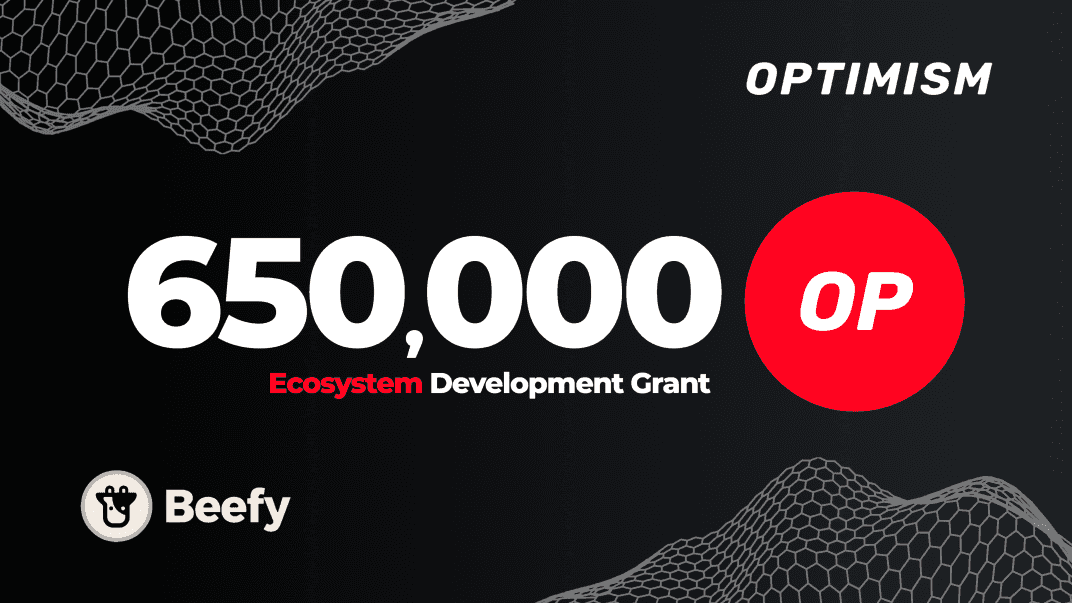
The Optimism Collective operates on a feedback loop where token holders fund public goods, which in turn attract developers to build better financial tools. This isn't just charity; it's a structural engine for growth. The OP token acts as the currency of this system, allowing the community to vote on how resources are distributed to the projects that matter most.
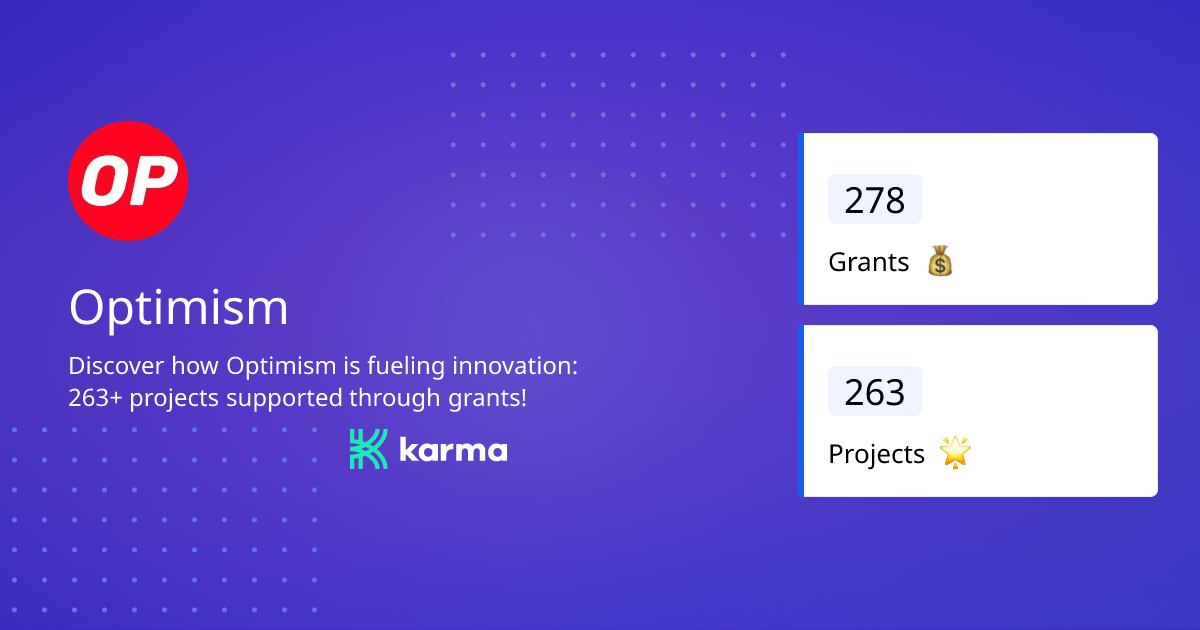
Grants are the primary mechanism for this allocation. Through platforms like opgrants.io, builders can apply for funding to develop DeFi infrastructure, such as lending protocols, aggregators, and liquidity pools. This targeted support lowers the barrier to entry for new projects, ensuring that the ecosystem remains competitive and innovative.
The goal is to create a vibrant DeFi environment that benefits all stakeholders, from individual users to large institutional players. By channeling resources directly into development, the Collective ensures that the network's utility expands alongside its value.
Key DeFi protocols shaping the chain
Optimism’s DeFi landscape is defined by a handful of foundational protocols that have secured significant grant funding and built out the chain’s core infrastructure. These applications handle the heavy lifting of liquidity, trading, and lending, creating a robust ecosystem that mirrors—though often outperforms in cost-efficiency—its Ethereum mainnet counterparts. Understanding these key players is essential for navigating the OP network’s financial primitives.
Uniswap: The Liquidity Hub
Uniswap on Optimism is not just a mirror of the Ethereum mainnet version; it is the primary liquidity engine for the chain. By leveraging Optimism’s low gas fees, Uniswap has become the go-to venue for high-frequency trading and small-cap token swaps that would be prohibitively expensive on Layer 1. The protocol’s concentrated liquidity model allows for deeper order books and tighter spreads, making it the most active decentralized exchange on OP. Its integration with the OP token ecosystem and grant support has solidified its position as the default DEX for most retail and institutional traders on the network.
Aave: Lending and Borrowing Infrastructure
Aave serves as the backbone for credit and yield generation on Optimism. As one of the earliest and most heavily supported DeFi primitives on the chain, Aave provides deep liquidity pools for major assets like USDC, ETH, and WBTC. Users can supply assets to earn yield or borrow against them, all with transaction costs that are fractions of a cent. This efficiency makes Aave particularly attractive for leveraged yield farming strategies and large-scale institutional lending desks that require predictable, low-cost capital access without the volatility of mainnet gas spikes.
Synthetix: Synthetic Assets and Derivatives
Synthetix brings a unique value proposition to Optimism by enabling the creation and trading of synthetic assets, or "synths," which track the price of real-world assets like commodities, currencies, and equities. Originally built on Ethereum, Synthetix migrated to Optimism to offer traders a more capital-efficient way to speculate on these assets without holding the underlying collateral. The protocol’s unique staking mechanism allows SNX holders to back the system’s solvency while earning rewards from trading fees, creating a self-sustaining ecosystem of liquidity providers and traders.
Velodrome: The Automated Market Maker
Velodrome has emerged as Optimism’s leading decentralized exchange and liquidity layer, specifically designed to capture trading fees and distribute them to VELO stakers. Unlike generic AMMs, Velodrome uses a dual-token model (VELO and veVELO) to align incentives, encouraging long-term liquidity provision. It has become the preferred venue for newly launched tokens on Optimism, offering deep liquidity pools that are incentivized by the protocol itself. This design has made Velodrome a critical piece of infrastructure for token launches and speculative trading on the chain.
Beethoven X: Weighted Pool Innovation
Beethoven X (now Beets) differentiates itself by offering customizable pool weights, allowing users to create liquidity pools with up to eight assets and adjustable ratios. This flexibility attracts sophisticated traders and liquidity providers who want to optimize for specific risk-return profiles. While smaller in total value locked compared to Uniswap or Aave, Beethoven X plays a vital role in the ecosystem by providing niche liquidity solutions that standard AMMs cannot support, particularly for multi-asset yield strategies and complex hedging positions.
| Protocol | Category | Primary Use | Grant Status |
|---|---|---|---|
| Uniswap | DEX | Token Swaps | Funded |
| Aave | Lending | Borrowing/Lending | Funded |
| Synthetix | Derivatives | Synthetic Assets | Funded |
| Velodrome | DEX | Incentivized Liquidity | Funded |
| Beethoven X | DEX | Weighted Pools | Funded |
The OP Stack as infrastructure backbone
Optimism OP Grants DeFi Ecosystem works best as a clear sequence: define the constraint, compare the realistic options, test the tradeoff, and choose the path with the fewest hidden costs. That order keeps the advice usable instead of decorative. After each step, pause long enough to check whether the recommendation still fits the reader's actual situation. If it depends on perfect timing, unusual access, or a best-case budget, include a simpler fallback.
The simplest way to use this section is to write down the real constraint first, compare each option against it, and choose the path that still works outside ideal conditions.
Tracking grants and ecosystem growth
Optimism OP Grants DeFi Ecosystem works best as a clear sequence: define the constraint, compare the realistic options, test the tradeoff, and choose the path with the fewest hidden costs. That order keeps the advice usable instead of decorative. After each step, pause long enough to check whether the recommendation still fits the reader's actual situation. If it depends on perfect timing, unusual access, or a best-case budget, include a simpler fallback.
Common questions about Optimism DeFi
What is a DeFi ecosystem?
Decentralized Finance (DeFi) is a financial ecosystem that lives digitally on shared infrastructure. Instead of relying on banks or brokers, typical services like borrowing, lending, and trading operate on a public network. This means these services are accessible to anyone with an internet connection, removing traditional gatekeepers.
How does Optimism's rollup really work?
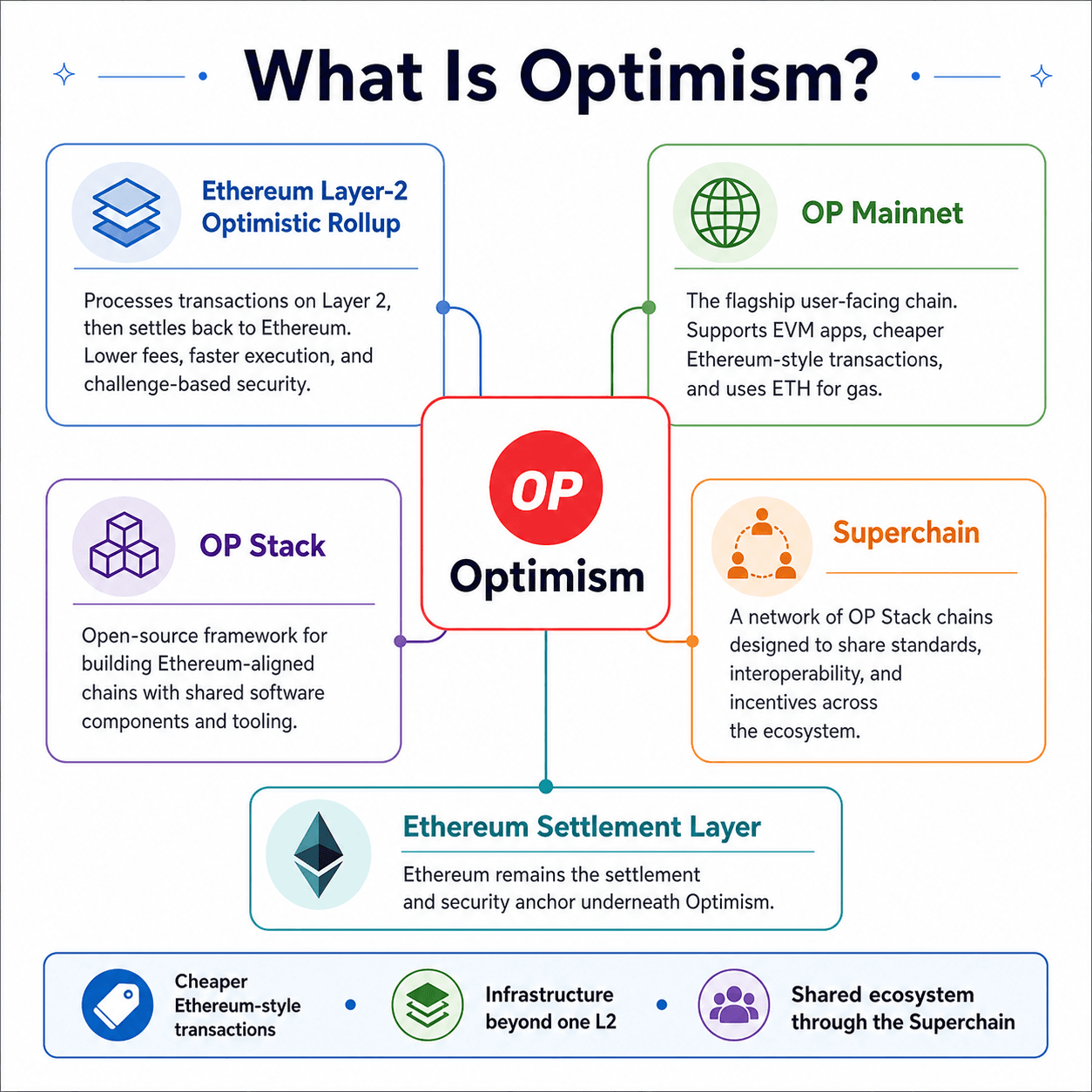
Optimism uses an optimistic rollup model, which assumes transactions are valid by default to speed up processing. After a batch of transactions is submitted to Ethereum, there is a challenge period. During this window, anyone can verify the results and submit a fraud proof if they detect an error, ensuring security without slowing down every individual transaction.
What is the OP token used for?
The OP token is primarily a governance tool for the Optimism network. Holders can vote on critical issues through two distinct streams: the Citizens' House, which focuses on community and public goods, and the Token House, which handles economic proposals. This dual structure allows the network to balance technical development with community-driven priorities.
No comments yet. Be the first to share your thoughts!