The Scale of the Optimism Ecosystem
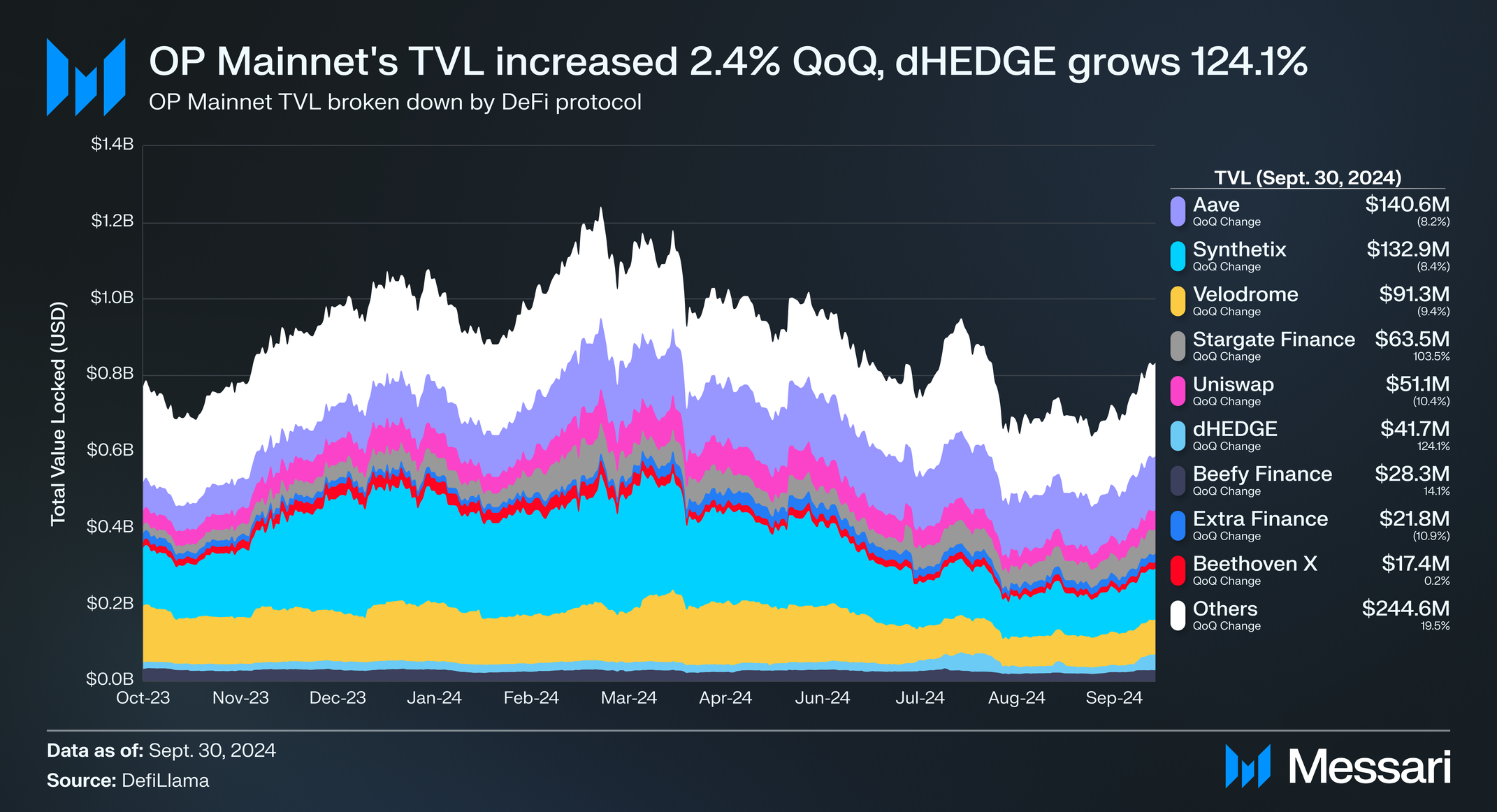
Optimism has evolved from a niche experimental protocol into one of the most substantial layers in the Ethereum ecosystem. By 2023, the network had accumulated over $2 billion in onchain value locked (TVL), a milestone that signals deep institutional and retail confidence in its infrastructure [1]. This growth wasn't just about volume; it represented a shift in how users interact with blockchain technology, with the network saving users an estimated $3 billion in gas fees during that same period [1].
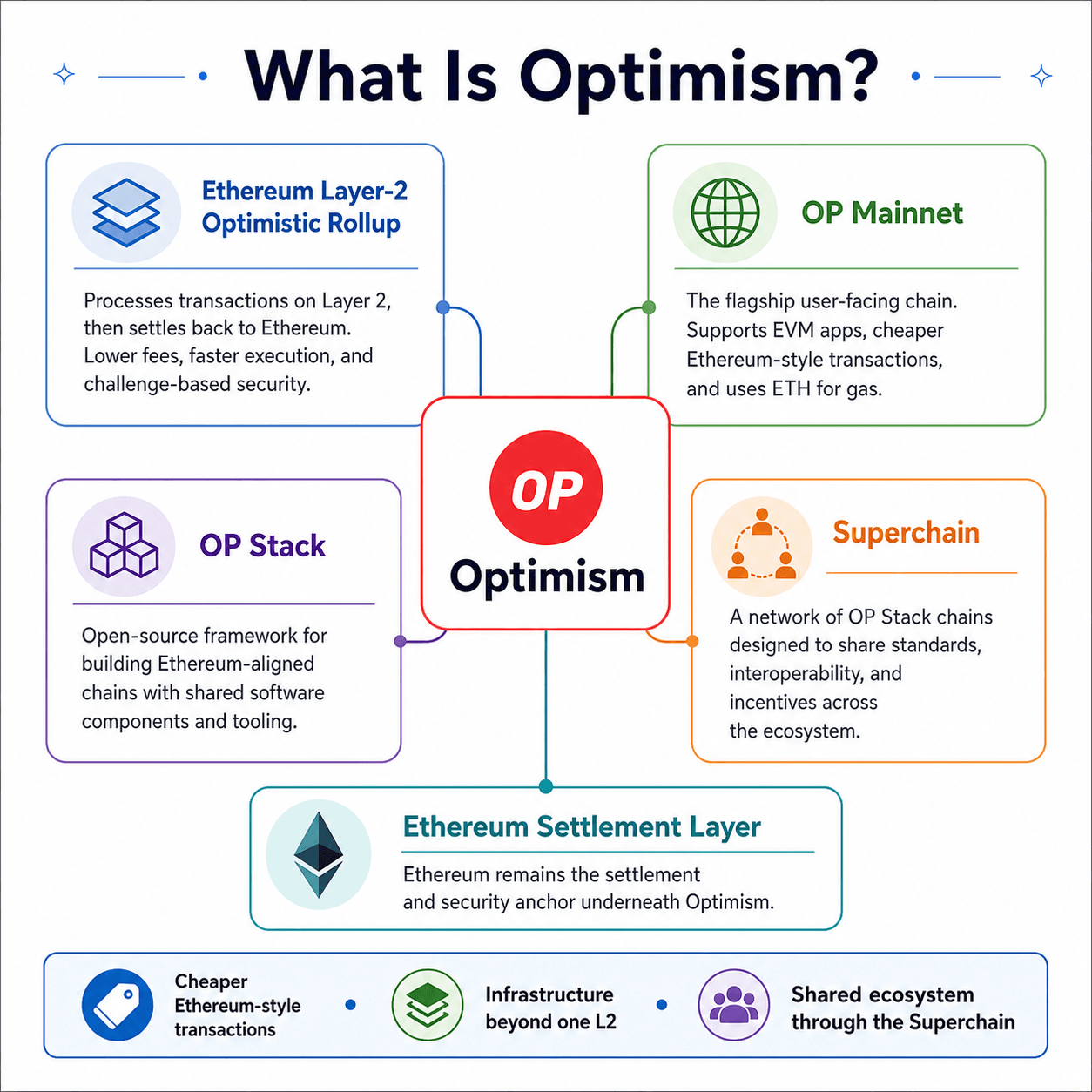
The foundation of this scale is the OP Stack, a modular infrastructure that allows developers to build customizable Layer 2 solutions with Ethereum-grade security. Rather than competing directly with Ethereum, Optimism positions itself as the connective tissue for a broader "Superchain" of networks. This architectural choice means that market research for DeFi projects on Optimism isn't just about analyzing one chain—it's about understanding a growing ecosystem of interoperable, low-cost environments [2].
This transition toward modular infrastructure is critical for investors and builders. The shift from a single chain to a network of chains changes the risk and reward profile of DeFi applications. Liquidity is no longer siloed; it flows across the Superchain, creating new opportunities for yield and utility while introducing new complexities in governance and security. Understanding this landscape is the first step in evaluating which projects are truly leveraging the ecosystem's potential.
To contextualize the current market sentiment and price action, the chart below tracks the performance of the OP token, reflecting the broader health and investor interest in the Optimism ecosystem.
Track Funding on Karma and Gitcoin
The Optimism Collective distributes capital through a transparent, on-chain process. To monitor where funds are flowing, you need to know which dashboard to trust. Karma serves as the primary interface for the RetroPGF rounds. It displays live milestones, grantee progress, and category filters. This is where you verify if a project is currently funded or still in the application phase.
For historical context, Gitcoin hosts the archive of previous rounds. While Karma shows the active pulse of the Superchain, Gitcoin provides the case studies. You can review past grant cycles to see which types of infrastructure received consistent support. This helps you distinguish between short-term hype and sustained builder interest.
Current grant allocations are substantial. Recent rounds have directed millions of OP tokens toward Superchain builders. For example, the DeFi protocol Mode secured a grant of up to 2 million OP tokens, valued at roughly $5.3 million at the time, to support user growth incentives [[src-serp-4]]. Another round allocated 10 million OP tokens, worth approximately $22 million, to various builders across the ecosystem [[src-serp-8]]. Tracking these numbers on Karma gives you a real-time view of the collective’s financial priorities.
Understanding the flow of these grants is essential for assessing the health of the OP Stack ecosystem. The data is public, but it requires the right tools to interpret. Start with Karma for the present state, and use Gitcoin to understand the historical trajectory of funding.
The Superchain Infrastructure Advantage
Optimism is not just a single blockchain; it is a modular infrastructure provider built on the OP Stack. This open-source technology allows developers to launch scalable, customizable Layer 2 networks that inherit Ethereum’s security while offering significantly lower transaction costs. By standardizing the underlying code, the OP Stack reduces the technical friction of building new chains, turning what was once a complex engineering hurdle into a streamlined deployment process.
This modularity is the core of the Superchain vision. Rather than isolated silos, chains built on the OP Stack are designed to interoperate seamlessly, sharing liquidity and security. Grants from the Optimism Collective support this ecosystem by funding the development of specialized chains like Mode, which focus on specific use cases while remaining part of the broader, interconnected network. This approach ensures that innovation is distributed across the infrastructure rather than concentrated in a single protocol.
The financial backing for this technical expansion comes from Retroactive Public Goods Funding (RetroPGF). Unlike traditional venture capital that demands equity, RetroPGF rewards projects based on their proven impact and adoption within the ecosystem. This mechanism creates an investment network that prioritizes long-term utility and community value over short-term speculation, ensuring that the infrastructure remains robust and aligned with the needs of its users.
| Feature | Optimism Superchain | Traditional L2 |
|---|---|---|
| Architecture | Modular OP Stack | Proprietary or Forked |
| Funding Model | RetroPGF (Impact-based) | VC Equity / Token Sales |
| Interoperability | Native Superchain Messaging | Bridges (Higher Risk) |
| Security | Shared Ethereum Layer 1 | Independent or Shared |
How to research the Optimism DeFi market
Conducting market research on Optimism requires moving beyond social sentiment and focusing on verifiable on-chain data and grant outcomes. The ecosystem’s unique funding model, Retroactive Public Goods Funding (RetroPGF), creates a transparent trail of capital allocation that signals which protocols the community values most.
Start by auditing the Optimism Grants Dashboard and Gitcoin profiles. These official sources detail which projects have successfully completed RetroPGF rounds. A protocol that has secured multiple funding rounds demonstrates sustained utility and community support, offering a stronger signal than short-term price action. Cross-reference these grant recipients with live TVL (Total Value Locked) data to separate funded hype from actual economic activity.
When evaluating specific DeFi protocols, prioritize those built on the OP Stack and Superchain infrastructure. Look for metrics that reflect real usage, such as active addresses and transaction volume, rather than just liquidity depth. Official documentation and the Optimism.io dashboard provide the most reliable baseline for these metrics.
For macro-level sentiment, monitor the OP token’s performance relative to Ethereum. Use provider-backed widgets to track technical indicators and volume trends. This helps contextualize individual protocol performance within the broader Superchain narrative, ensuring your research remains grounded in current market conditions rather than outdated assumptions.
Frequently asked: what to check next
Helpful gear
Use these product recommendations as a starting point, then choose the size, material, and price point that fit how you actually use the gear.


As an Amazon Associate, we may earn from qualifying purchases.
No comments yet. Be the first to share your thoughts!