Optimism's place in the Ethereum scaling landscape
Optimism operates as a layer-two blockchain built on top of Ethereum, designed to address the network's congestion and high transaction costs. By utilizing optimistic rollup technology, it processes transactions off-chain and posts compressed data back to Ethereum mainnet. This approach allows users to transact faster and cheaper while inheriting the security guarantees of the underlying Ethereum layer.
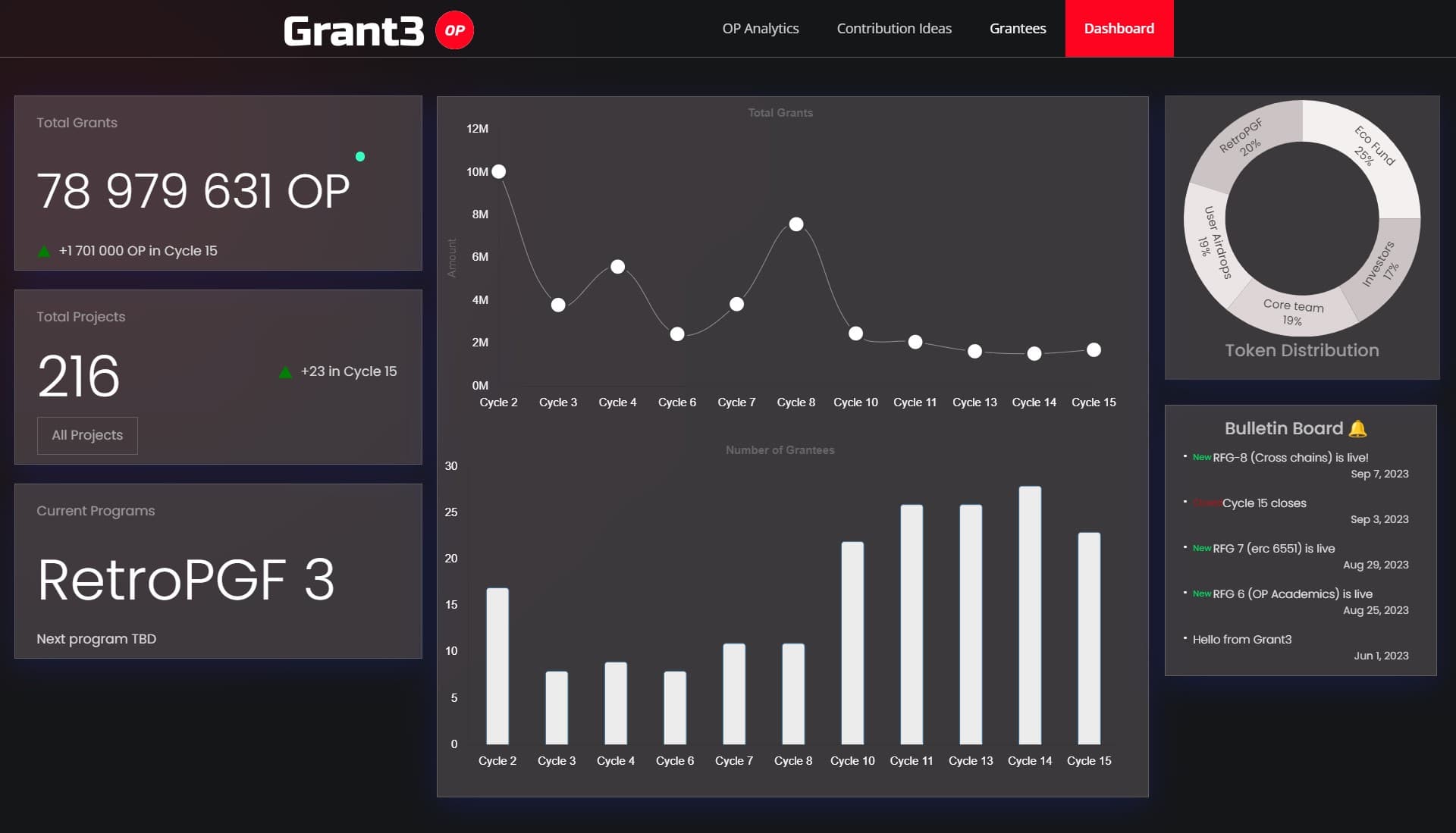
The ecosystem's growth is heavily influenced by the Optimism Collective, a framework that aligns economic incentives with public goods funding. The OP Grants program plays a central role in this model, providing financial support to developers building decentralized finance (DeFi) infrastructure. This grant structure aims to foster a sustainable ecosystem where builders are rewarded for contributing to the network's long-term health rather than just short-term yield.
For developers and investors, understanding this grant-driven growth is essential. The protocol's value proposition rests on its ability to scale Ethereum without compromising decentralization. As the DeFi landscape evolves, the efficiency of Optimism's execution layer and the robustness of its grant-funded projects will likely determine its competitive position against other layer-two solutions.
Grants Council impact and TVL inflows
The S7 Grants Council Impact Analysis provides a clear view of how grant capital translates into ecosystem growth. Rather than relying on vanity metrics, the council measured success using OP-normalized ROI and net Superchain TVL inflows. This approach isolates the economic value added by grant-funded projects, filtering out broader market noise to show what the grants actually drove.
The analysis period, spanning from March 20 to June, tracked capital flows into the Superchain. By focusing on net inflows, the report highlights the direct correlation between grant disbursements and liquidity retention. Projects that received support showed measurable increases in total value locked, suggesting that grants act as a catalyst for sustainable growth rather than just short-term speculation.
To understand the current market context of this growth, it is useful to look at the price action of the OP token itself. The following chart visualizes the technical performance of OP/USD, allowing you to see how the token has traded alongside these ecosystem developments.
The data from the S7 analysis underscores the importance of targeted funding. When grants are directed toward infrastructure and high-utility applications, the resulting TVL inflows tend to be more stable and long-lasting. This finding reinforces the strategy of prioritizing projects that contribute to the foundational strength of the Optimism Superchain.
Measuring ecosystem growth with Dune
OP Labs doesn’t just fund projects; it tracks them. To ensure grant capital translates into real ecosystem value, the team relies on Dune Analytics as its primary dashboard for transparency and strategic oversight.
By building custom queries on-chain data, OP Labs can see exactly how grant recipients perform. This isn’t about vanity metrics like total value locked alone. The team looks at active addresses, transaction volumes, and unique user retention to judge whether a funded project is actually building something people use.
This data-driven approach allows for agile decision-making. If a grantee’s activity stalls, the team has the evidence to intervene or reallocate resources. Conversely, strong performance signals where to double down. As noted in official case studies, this visibility turns opaque funding into a measurable growth engine, ensuring every dollar spent contributes to the health of the Optimism network.
Key DeFi protocols benefiting from grants
Optimism’s grant program has acted as a catalyst for specific DeFi protocols, allowing them to scale infrastructure without the immediate pressure of venture capital dilution. By funding core development and user acquisition, the OP Collective has helped certain projects become foundational pillars of the ecosystem. This section highlights the protocols that have seen tangible growth directly tied to this support.
The following table compares the performance of key DeFi protocols that have received significant grant support. It tracks their Total Value Locked (TVL) growth and the nature of the grant assistance they received, illustrating how targeted funding translates into ecosystem stability.
| Protocol | TVL Growth (6mo) | Primary Grant Focus | Core Use Case |
|---|---|---|---|
| Velodrome | +142% | Liquidity Mining Incentives | Decentralized Exchange |
| Aave | +85% | Market Expansion & Audits | Lending & Borrowing |
| Synthetix | +67% | Derivatives Infrastructure | Synthetic Assets |
| Beefy | +54% | Yield Optimization Tools | Yield Aggregator |
Velodrome Finance stands out as a prime example of grant-driven success. Initially supported by grants to build its ve(3,3) tokenomics model, it has become the dominant decentralized exchange on Optimism. The grants helped secure initial liquidity and refine the bonding curve mechanics that now drive its trading volume.
Aave’s expansion on Optimism was also accelerated by grant funding. While Aave is a multi-chain giant, the specific grants helped tailor the protocol for Optimism’s unique fee market and gas dynamics, making it the go-to lending platform for users seeking low-cost borrowing. This strategic alignment has kept Aave’s TVL among the highest on the network.
Strategic outlook for OP coin and ecosystem
The long-term viability of the OP coin hinges on Optimism’s ability to maintain its technical edge in a crowded Layer 2 landscape. With Ethereum’s EIP-4844 upgrade significantly reducing rollup costs, the infrastructure for scaling DeFi has become more efficient, positioning Optimism as a critical piece of the puzzle. The grants program plays a vital role here, funding the very projects that keep the ecosystem active and relevant.
Investors should view OP not just as a speculative asset, but as a proxy for the health of the Superchain. The future of the coin depends on the team’s capacity to integrate new technologies and attract high-quality projects. As noted by industry analysts, buying OP involves risks typical of the crypto market, including high volatility. It is essential to assess your own risk tolerance before committing capital.
For those who believe in the long-term prospect of decentralization and Ethereum’s scaling journey, Optimism remains a worthwhile consideration. The grants program is not merely a marketing expense; it is an investment in the ecosystem’s depth and resilience.
Common questions about Optimism grants
Optimism functions as a layer-two blockchain built on top of Ethereum, leveraging optimistic rollup technology to scale the network while maintaining the security of the mainnet [[src-serp-6]][[src-serp-3]]. The native OP token serves as the governance asset for this ecosystem, allowing holders to vote on protocol upgrades and grant allocations [[src-serp-3]].
What is the future of the OP coin?
The trajectory of OP depends on Optimism's ability to attract new projects and integrate emerging technologies into its stack. Like all cryptocurrencies, OP is subject to high volatility and market risk, so investors should assess their personal risk tolerance before participating. Long-term prospects generally hinge on the broader adoption of decentralized infrastructure.
Is Optimism crypto worth buying?
Whether OP is a suitable investment depends on your individual financial circumstances and belief in the decentralization thesis. For those who see value in Ethereum's scaling solutions, OP may represent a strategic position. However, the market is unpredictable, and you should never invest funds you cannot afford to lose.
What blockchain is Optimism on?
Optimism is a layer-two solution that sits directly on the Ethereum blockchain. It inherits Ethereum's security model while offering faster transaction speeds and lower fees for DeFi users. You can manage and trade OP directly within wallets like MetaMask, which supports the token natively [[src-serp-3]].
| Feature | Details |
|---|---|
| Blockchain Type | Layer Two (Ethereum) |
| Scaling Tech | Optimistic Rollups |
| Governance | OP Token |
| Primary Use | DeFi & Lower Fees |
No comments yet. Be the first to share your thoughts!