Why Optimism powers modern DeFi
Optimism has established itself as the most used blockchain infrastructure for building scalable, customizable Layer 2s and apps. Powered by the OP Stack, it delivers Ethereum-grade security while solving the scalability trilemma that has long constrained decentralized finance. By processing transactions in batches using optimistic rollups, OP Mainnet gives users access to low-cost and near-instantaneous transactions, making it the backbone for many of the sector's most critical tools.
The architecture is straightforward but powerful. Instead of executing every transaction on the main Ethereum chain, Optimism batches them off-chain and posts a compressed proof to Ethereum. This approach drastically reduces gas fees without compromising the security guarantees that developers and investors rely on. The result is a network that can handle high throughput, enabling complex DeFi protocols to operate efficiently.
This infrastructure is not just theoretical; it is the engine behind a vibrant ecosystem. From lending platforms to decentralized exchanges, projects are choosing Optimism for its reliability and cost-efficiency. The OP Grants program further accelerates this growth by funding developers who build essential tools and infrastructure, ensuring the network continues to evolve alongside the needs of its users.
Navigating the OP Grants program
Funding a DeFi protocol on Optimism isn’t just about writing code; it’s about aligning with the Collective’s goals. The Optimism Grants program operates differently from traditional venture capital. Instead of chasing pure ROI, applicants must demonstrate how their project strengthens the public goods infrastructure of the OP Stack.
To access Season 9 funding, you need to understand the application lifecycle. It’s a structured process that moves from initial screening to milestone-based disbursements. Here is how the system works in practice.
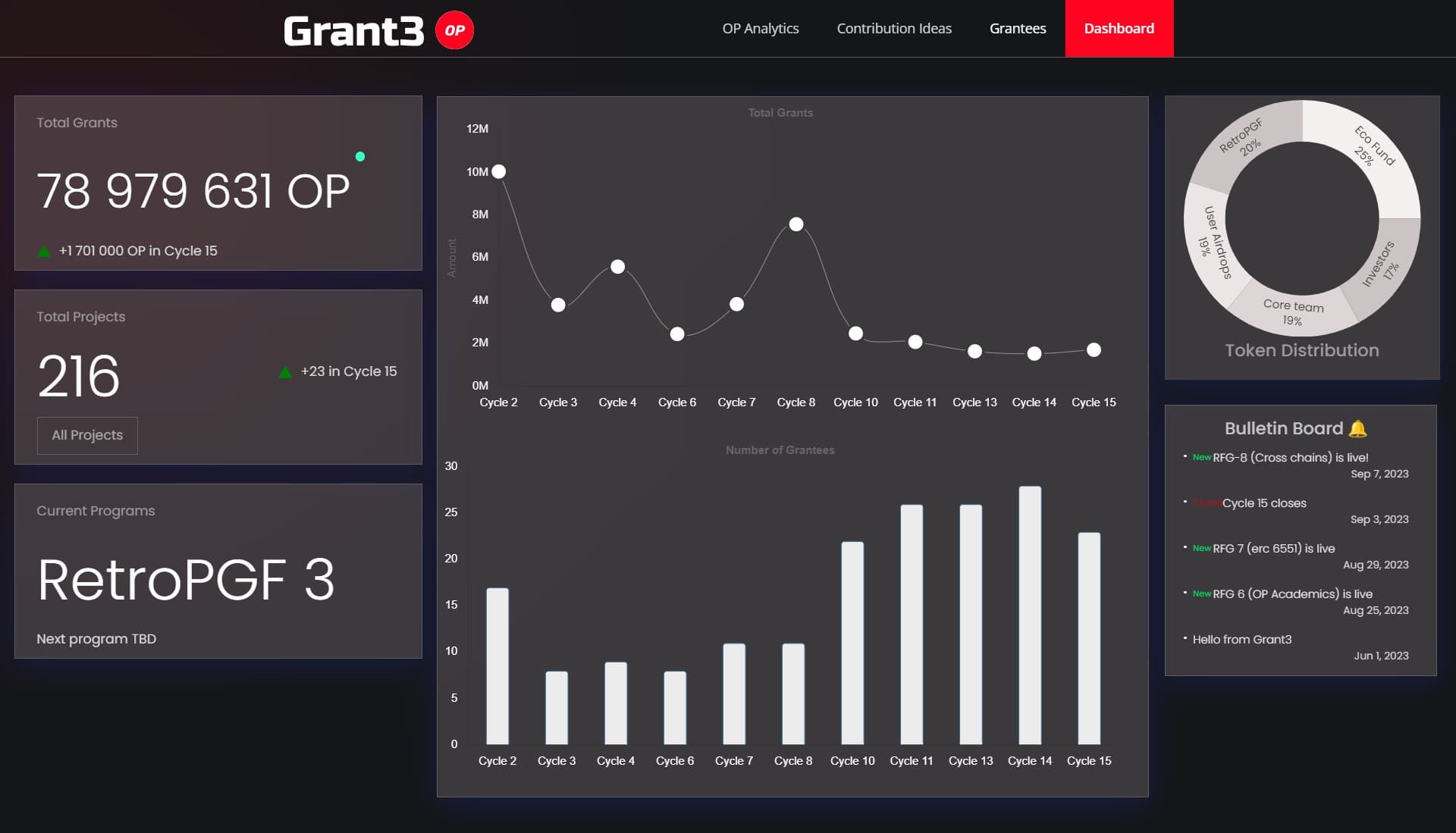
Before applying, ensure your protocol is open-source and deployed on OP Mainnet. The Grants Council prioritizes projects that contribute to the ecosystem’s long-term health. If your code is proprietary or your team is anonymous, your chances of approval drop significantly. Start by reviewing the Optimism Grants guidelines to see if your use case fits their current strategic priorities.
All applications are managed through Karma, the official governance platform. You will need to connect your Optimism wallet and fill out a detailed form. This isn’t a quick form; it requires you to articulate your technical architecture, team background, and specific funding needs. Be precise about how the grant will accelerate development rather than just covering operational costs.
Once submitted, your project enters a review phase. The Grants Council may reach out for clarifications. This is your chance to refine your pitch. If you have a working demo or a clear roadmap, highlight it. Council members are looking for builders who are ready to execute, not just ideate. Keep your communication professional and responsive during this window.
If approved, funding is typically released in tranches based on completed milestones. You’ll track progress directly on Karma. This system ensures accountability and allows the Collective to see real-time impact. Failure to meet milestones can result in funding pauses, so build your timeline realistically. Regular updates keep the Council engaged and support future funding rounds.
Top DeFi tools for builders
Building on Optimism means leveraging a stack designed for speed and low costs. The OP Stack provides the foundational infrastructure, allowing developers to spin up rollups or deploy directly to OP Mainnet. For builders, the ecosystem offers a mature set of tools ranging from liquidity aggregators to decentralized exchanges.
The following table compares the primary DeFi protocols available on the network, highlighting their core utility and user experience. This comparison helps identify which tools fit specific use cases, whether you are looking for yield generation or simple swaps.
| Tool | Type | Key Features | Ease of Use |
|---|---|---|---|
| Uniswap V3 | DEX | Concentrated liquidity, multiple fee tiers, high capital efficiency | Moderate |
| Aave V3 | Lending | Isolated markets, risk management tools, cross-chain compatibility | High |
| Synthetix | Derivatives | On-chain derivatives, synthetic assets, staking incentives | Moderate |
| Velodrome | DEX/AMM | Vote-escrow model, dual incentives, high yield farming potential | High |
For secure asset management while interacting with these protocols, hardware wallets remain the standard for protecting private keys. Ledger and Trezor devices offer robust compatibility with Optimism, ensuring that your assets remain secure whether you are bridging funds or providing liquidity.


As an Amazon Associate, we may earn from qualifying purchases.
When choosing a wallet, consider whether you need mobile connectivity or prefer a desktop-first approach. Both options integrate seamlessly with Optimism-compatible interfaces like MetaMask, allowing you to switch networks with a single click. This ease of integration is a significant advantage for builders who want to focus on code rather than wallet configuration.
Infrastructure and developer resources
Building on Optimism means leaning on a stack that is already proven at scale. The OP Stack provides the modular foundation for OP Mainnet, offering Ethereum-grade security with customizable Layer 2 capabilities. For developers, this isn't just theoretical; it's the actual codebase powering some of the most active networks in the ecosystem. You can explore the core infrastructure directly on the Optimism website to see how the protocol handles scalability and security.
When you're ready to deploy or debug, reliable node access is non-negotiable. While specific provider rankings shift, you should look for services that offer high-throughput RPC endpoints compatible with the OP Stack. This ensures your dApps can process transactions with the low latency and cost efficiency that OP Mainnet is known for. Check the official documentation for a current list of supported node providers to ensure compatibility.
The community around the OP Stack is one of its strongest assets. The ecosystem-contributions repository on GitHub serves as a central hub for developer tooling, protocol improvements, and grant ideas. It’s a living document where contributors share guidance on everything from smart contract audits to frontend integrations. Engaging with these resources helps you tap into a collective knowledge base that evolves as fast as the technology itself.
No comments yet. Be the first to share your thoughts!