How grants fund DeFi growth
Optimism Grants operates as a strategic allocation engine designed to accelerate the development of decentralized finance on the network. Rather than distributing funds randomly, the program targets specific infrastructure gaps and high-impact applications that strengthen the broader ecosystem. This targeted approach ensures that capital flows directly into projects that enhance scalability, security, and user accessibility for DeFi builders.
The core mechanism relies on a structured application process where builders submit proposals for funding. These grants are typically awarded for specific milestones, such as protocol development, security audits, or community expansion. By tying funding to tangible outcomes, Optimism maintains a high standard for project viability while encouraging rapid iteration among developers.
For DeFi projects, this support translates into reduced operational friction. Builders can focus on coding and product-market fit rather than scrambling for early-stage venture capital. The grants often cover essential costs like smart contract audits or gas fee subsidies, lowering the barrier to entry for new teams launching on Optimism.
This model has fostered a resilient network of interconnected protocols. As successful grant recipients scale, they contribute to the overall liquidity and utility of the Optimism ecosystem, creating a positive feedback loop for all participants. The result is a more robust DeFi landscape where innovation is backed by sustainable financial support.
Infrastructure grants building the base layer
Optimism’s grants don’t just fund apps; they build the plumbing that makes DeFi usable. The foundation targets projects that anchor liquidity and lower costs for everyone else on the network. When infrastructure gets funded, the whole ecosystem moves faster.
Mode is a prime example. The modular DeFi Layer 2 network received a grant of up to 2 million OP tokens, valued at roughly $5.3 million, to support user growth incentives. This isn’t just a cash injection; it’s a signal that Optimism wants high-throughput, specialized chains to thrive alongside the mainnet. By backing Mode, the foundation ensures there’s room for specialized DeFi activity without clogging the primary chain.
The governance fund missions in Season 9 reinforce this strategy. Grants are tied to specific outcomes, like growing TVL in strategically relevant DEX pools. The requirement that both assets in a liquidity pool must be relevant ensures that capital flows into productive, stable markets rather than speculative noise. This targeted approach helps build a DeFi ecosystem that is resilient and genuinely useful for builders.
Tools for grant applicants
Applying for Optimism grants isn't just about writing a proposal; it's about managing a lifecycle. Builders use a specific stack of platforms to track milestones, distribute funds, and showcase their progress to the community. Knowing where to look and how to update your status is just as important as the code you ship.
The primary hub for all grant activity is opgrants.io. This is where Season 9 applications open, where guidelines are published, and where the final approval decisions are announced. If you are looking for the official rules or the current funding rounds, this is your starting point. It serves as the central registry for everything related to the grant program.
For day-to-day management, most grantees rely on Karma. Karma is the platform Optimism uses to handle the backend of grant distribution. Once you are awarded a grant, you will use Karma to submit milestone reports, request fund disbursements, and update your project's public profile. It is also the best place to browse other funded projects to see what is being built and how others are structuring their grants.
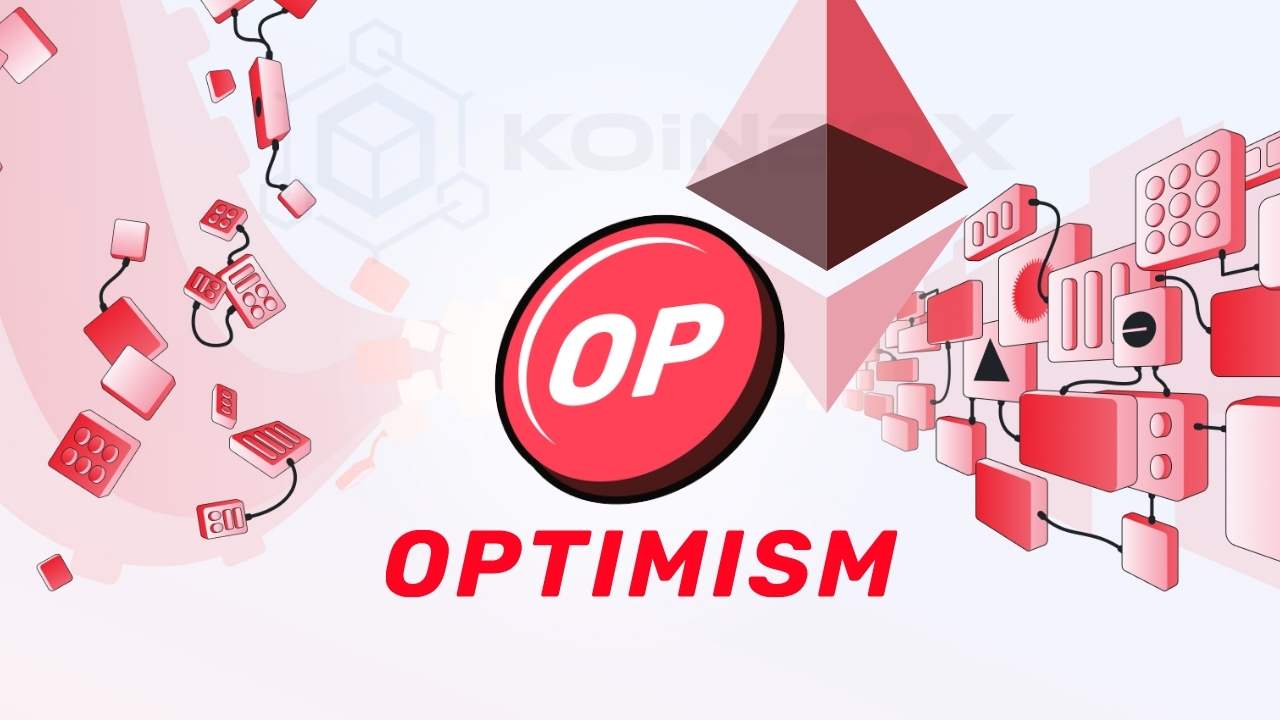
Understanding the difference between grant types helps you pick the right tool for your stage. Use the table below to see how the requirements shift depending on whether you are fixing bugs or scaling a product.
| Grant Type | Primary Focus | Key Requirement |
|---|---|---|
| Audit Grants | Security & Reliability | Third-party audit report |
| Growth Grants | User Acquisition & TVL | Milestone-based progress reports |
| Ecosystem Grants | Developer Tools & Infra | Technical documentation & roadmap |
Building on the OP Stack
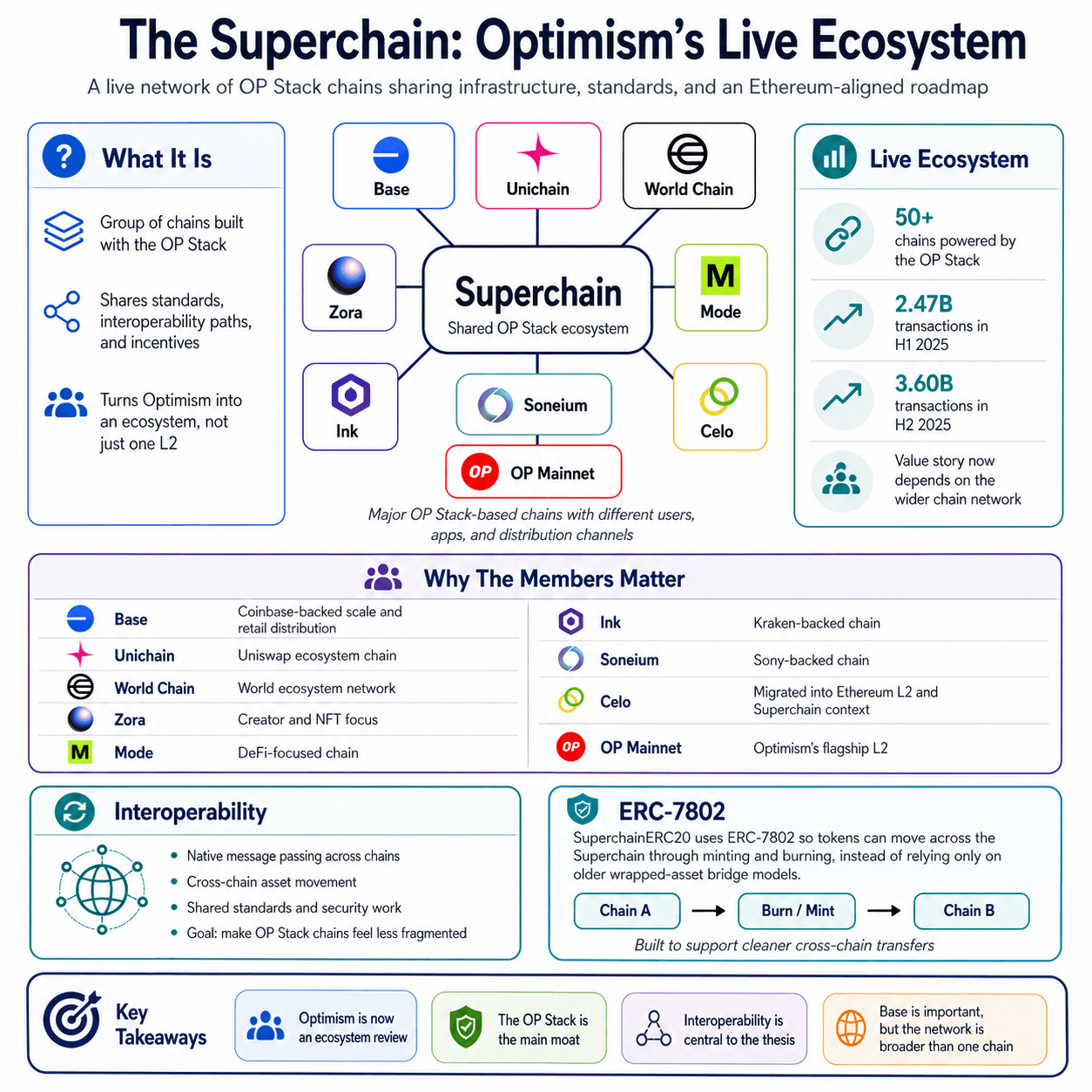
The OP Stack is the modular infrastructure that powers Optimism, Base, and a growing network of Layer 2s. Instead of building a blockchain from scratch, developers can use this open-source codebase to launch a custom L2 that inherits Ethereum’s security while offering unique features. This modular approach reduces development time and allows teams to focus on what makes their application special rather than reinventing the wheel.
Optimism Grants actively supports this ecosystem by funding projects that extend the OP Stack’s capabilities. Whether you are building a new L2, a superchain bridge, or developer tooling, the grants program provides the resources needed to test and deploy. The goal is to create a scalable, interconnected network of blockchains that share liquidity and security.
Using the OP Stack means you are part of the superchain vision. This strategy encourages collaboration between different L2s, making it easier for users to move assets and data across chains. For builders, this translates to a larger potential user base and a more robust technical foundation.
Common questions about OP grants
Builders often look to the Optimism Collective for funding, but understanding the token mechanics and governance structure is just as important as the application itself. Here are the answers to the most frequent questions about OP crypto, ownership, and the ecosystem's future viability.
For builders, the key takeaway is that OP grants are not just financial awards—they are an entry point into a governance system. Understanding how the token functions helps you align your project with the collective's goals, increasing your chances of long-term success and potential funding through RetroPGF.
Helpful gear
Use these product recommendations as a starting point, then choose the size, material, and price point that fit how you actually use the gear.

As an Amazon Associate, we may earn from qualifying purchases.
No comments yet. Be the first to share your thoughts!