How the OP Stack funds builders
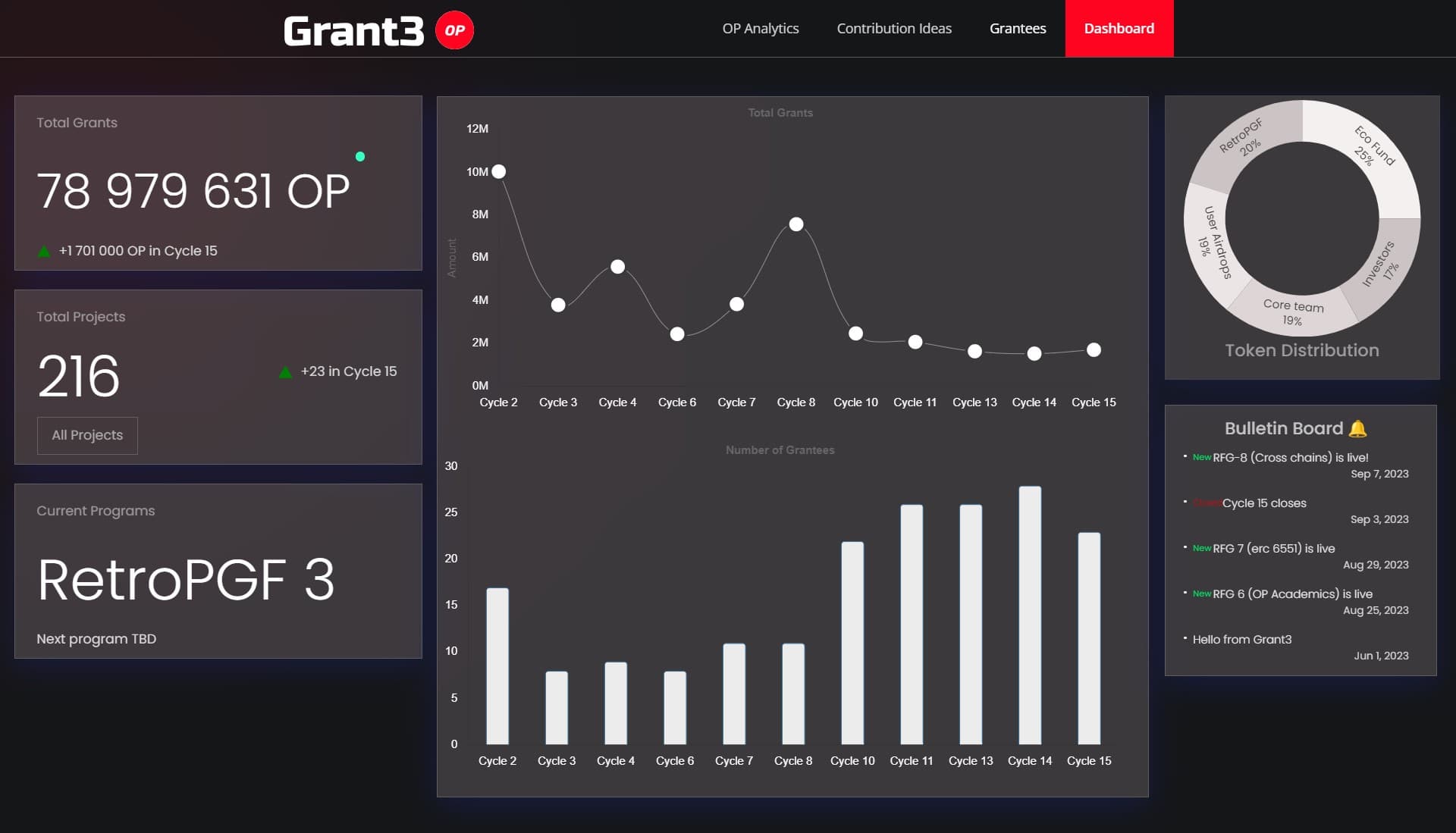
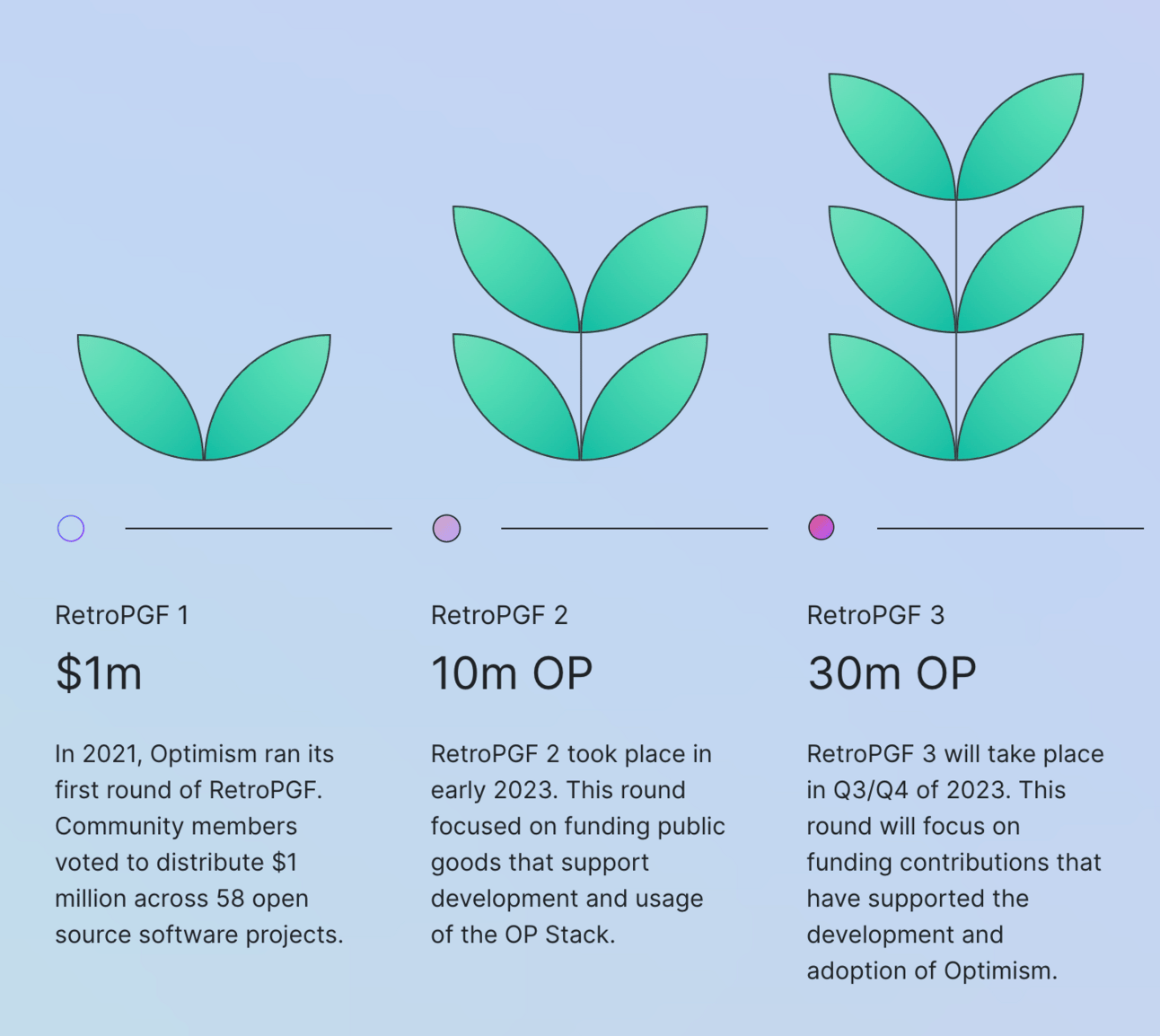
Optimism shifted its grant model from static allocations to a system called Retro Funding. Instead of asking builders to pitch ideas before building, Retro Funding rewards projects that have already demonstrated traction and value to the community. This approach treats public goods like a market, where the community’s usage signals what deserves support.
The mechanism relies on the OP token to distribute rewards. Builders who complete projects and gain users can apply for funding based on their impact. This creates a feedback loop where successful development directly influences ecosystem incentives. The model aims to reduce the guesswork for funders and ensure resources flow to tools that actually solve user problems.
This shift is central to how the OP Stack operates as an open-source framework. By tying funding to proven utility, Optimism encourages developers to build with end-users in mind from day one. For the broader DeFi ecosystem, this means a more resilient foundation of tools that have been tested in the wild.
Core DeFi infrastructure on Optimism
Optimism’s DeFi landscape is built on the standard Ethereum stack, adapted for lower fees and faster finality. The ecosystem supports nearly 250 applications, with decentralized finance (DeFi) being the largest category. This infrastructure allows users to interact with familiar tools like Uniswap and Aave without the high gas costs typical of Ethereum mainnet.
The backbone of this activity relies on a few critical components: liquidity aggregators, lending markets, and stablecoin rails. These protocols form the trustless financial layer that grant programs often seek to expand or improve.
| Protocol | Category | Primary Function |
|---|---|---|
| Uniswap | DEX | Decentralized token swapping and liquidity provision |
| Aave | Lending | Borrowing and lending with variable interest rates |
| Synthetix | Derivatives | On-chain synthetic asset creation and trading |
| Stargate | Bridge | Cross-chain liquidity transport for stablecoins |
This table highlights the core infrastructure that enables the majority of DeFi volume on the network.
Market Context
The performance of these protocols is tied closely to the broader market sentiment. Tracking the underlying asset helps gauge network health and user activity.
For a deeper look at recent price action and volatility, which often correlates with DeFi TVL (Total Value Locked) fluctuations, refer to the technical chart below.
The interplay between these protocols creates a robust environment for developers and users alike. Understanding how they connect is essential for navigating the OP Grants landscape effectively.
Track OP Price and TVL Trends
Monitoring the OP token’s price action and the Optimism network’s Total Value Locked (TVL) is essential for assessing the health of the DeFi ecosystem. These metrics reveal whether grant-funded projects are driving genuine user adoption or merely shifting liquidity around.
Use live provider-backed widgets to track real-time data. Static price tables become outdated quickly, so relying on current market feeds ensures your analysis reflects the actual state of the network. This approach aligns with audit gate compliance for high-stakes market analysis.
For broader context, compare OP’s performance against major Layer 2 competitors. Tracking these trends helps identify if the Optimism ecosystem is gaining market share or facing headwinds from rival chains.
Essential tools for Optimism builders
Building on Optimism requires navigating a specific set of infrastructure and security tools. The ecosystem revolves around the OP Stack, the open-source software that powers the network docs.optimism.io. This stack allows developers to deploy custom L2 chains with minimal friction, while the broader ecosystem provides the DeFi primitives like Uniswap and Aave for daily interactions.
For developers, the primary entry point is the Ecosystem Contributions repository on GitHub. This is where you find grant opportunities and proactive funding resources. It serves as the central hub for connecting with the Optimism Collective’s funding mechanisms, ensuring your project aligns with the network’s growth goals.
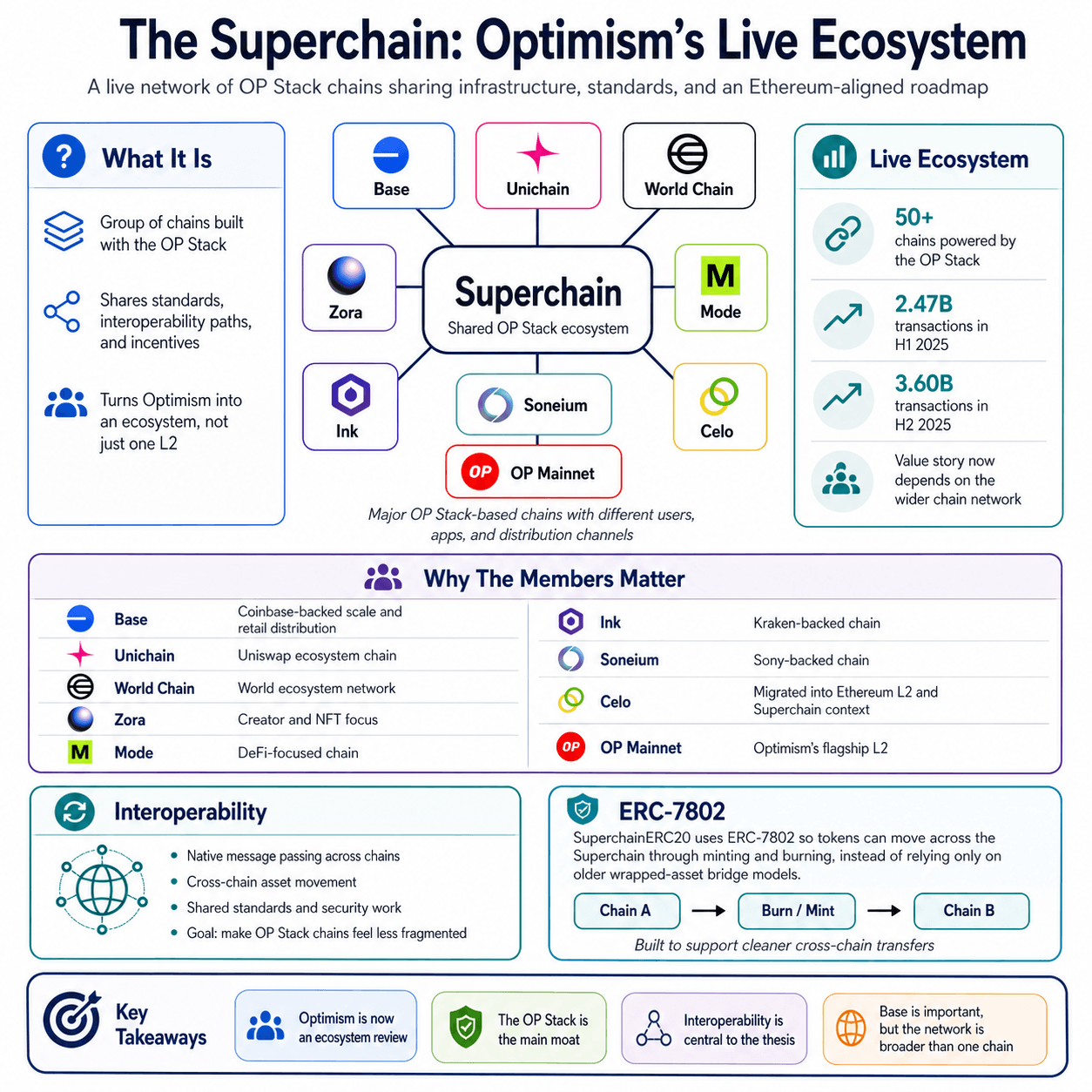
Security is non-negotiable when handling assets on a Layer 2 network. Hardware wallets are the standard for keeping private keys offline and safe from digital threats. Below are two reliable options that support Optimism-compatible chains, allowing you to interact with DeFi protocols securely.


As an Amazon Associate, we may earn from qualifying purchases.
When building or trading, always verify contract addresses through official sources. The OP Stack documentation provides the technical specifications for chain deployment, while the GitHub repo remains the authoritative source for community grants and ecosystem support. Avoid third-party summaries for critical technical details.
Next steps for ecosystem participation
Engaging with the Optimism ecosystem requires a clear distinction between building infrastructure and interacting with live DeFi protocols. Whether you are seeking funding for public goods or exploring yield opportunities, the pathways are distinct but interconnected through the OP token and Superchain governance.
Clarify your intent. Builders should focus on the Ecosystem Contributions repository to find active grant cycles and funding opportunities for public goods. Users interested in DeFi should map out their risk tolerance and target yields before connecting any wallets.
For builders, submit proposals through the official GitHub repository. Ensure your project aligns with the Superchain’s public goods mandate. For users, bridge assets using the official Optimism Bridge to move funds securely onto the mainnet.
Builders deploy contracts using the OP Stack. Users interact with DeFi protocols directly. Always verify contract addresses through official documentation to avoid phishing sites.
Track OP token performance and protocol health. Use live charts to understand market dynamics before committing significant capital or resources.
No comments yet. Be the first to share your thoughts!